Chinese vs American humanoid robots, how they differ for buyers
Chinese makers sell more humanoids today, mostly to developers and businesses. American makers chase the home chore robot. Prices, availability, focus and what it means if you want to buy.

On this page
Most humanoid robots on Everyboti come from two countries, China and the United States. The difference goes beyond where they are built. The two groups are selling different things to different people, and that decides what you can actually buy.
This is a buyer's comparison, not a geopolitical one. I look at price, what the robots are for, where you can get them and what support looks like.
Key facts
- Chinese makers sell more humanoids you can buy today, mainly for developers, schools, research and business
- American makers focus on household chores, mostly on preorder in the US
- Lowest prices are Chinese, from about $1,400 (Noetix Bumi, China only) and $4,900 (Unitree R1)
- The chore robots with US delivery plans are American, Weave Isaac 1 at $7,999 and 1X NEO at $20,000
- Several Chinese makers are now listed or heading for listings, including Unitree, DOBOT and SwitchBot's parent
Who builds what
China
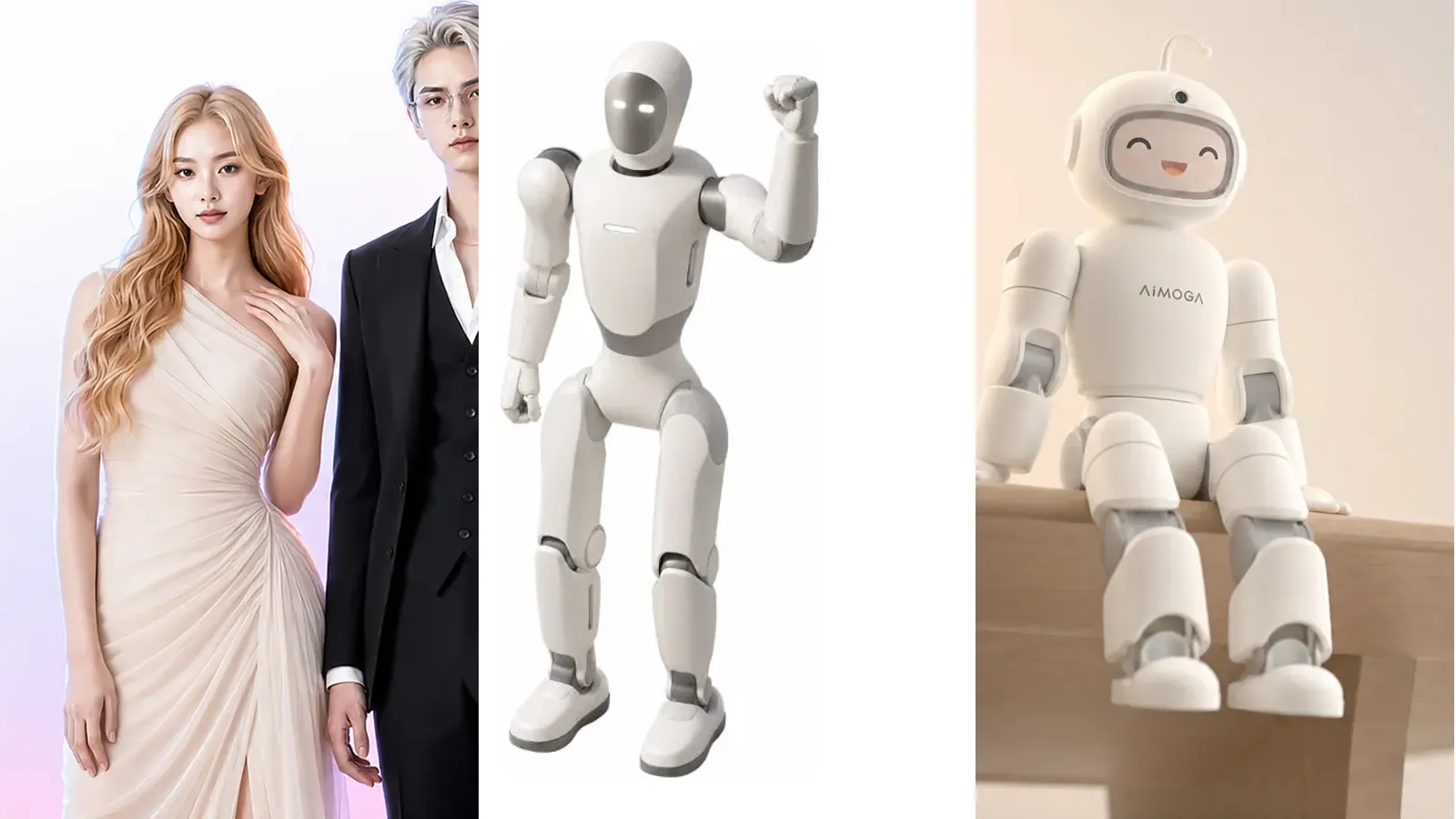
- Unitree, Hangzhou, sells R1, G1 and H2 on an open online store.
- Booster Robotics, Beijing, sells K1, T1 and T2 to developers and schools.
- Noetix Robotics, Beijing, sells the family humanoid Bumi in China.
- EngineAI, Shenzhen, sells T800 and PM01 for business and research.
- Galbot, Beijing, has its wheeled G1 working in shops and pharmacies.
- Fourier, MagicLab, UniX AI, Vbot, Kinetix AI, DOBOT and SwitchBot also have humanoids or home robots in the works.
United States
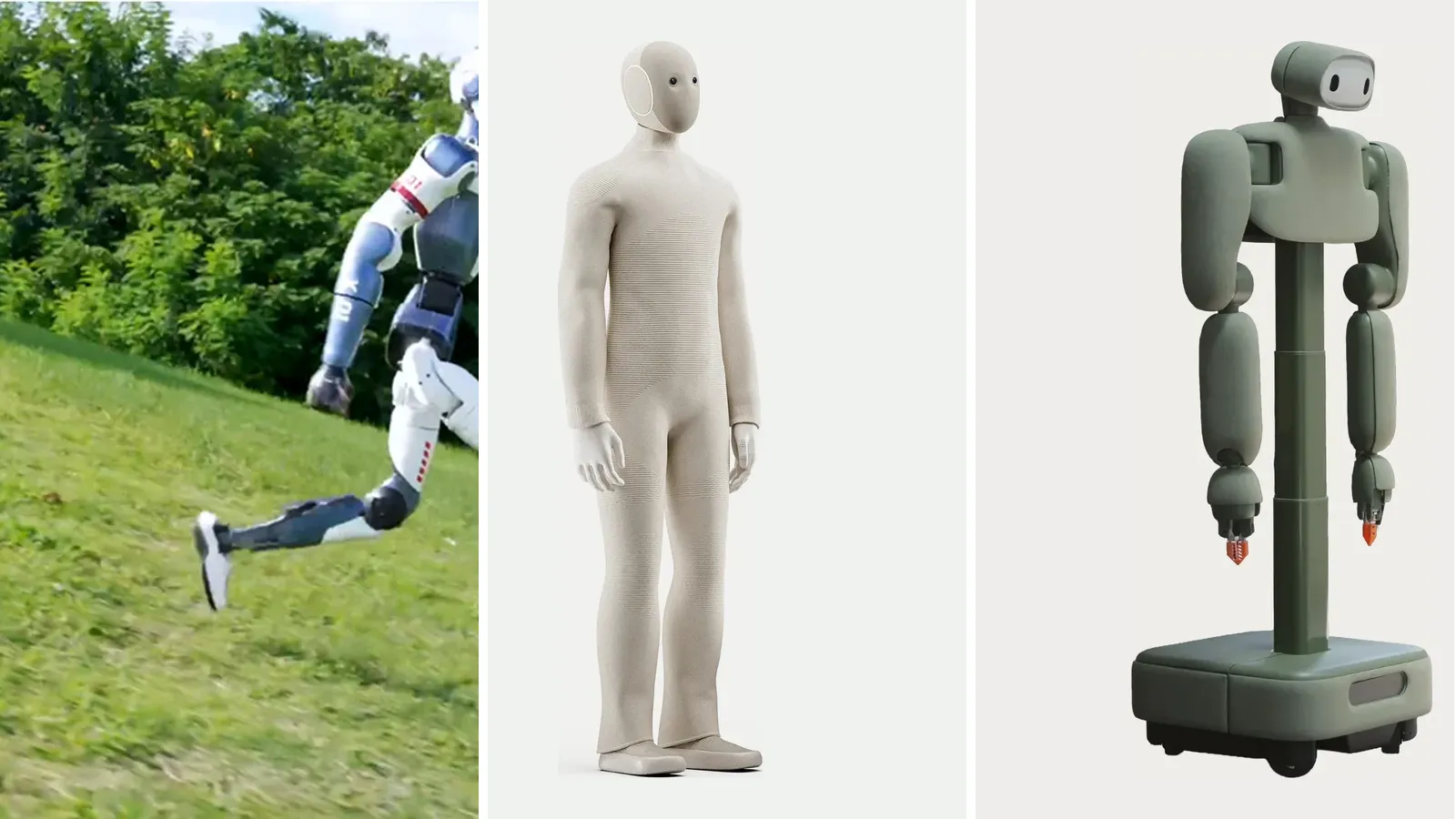
- 1X Technologies, Palo Alto, takes preorders for NEO.
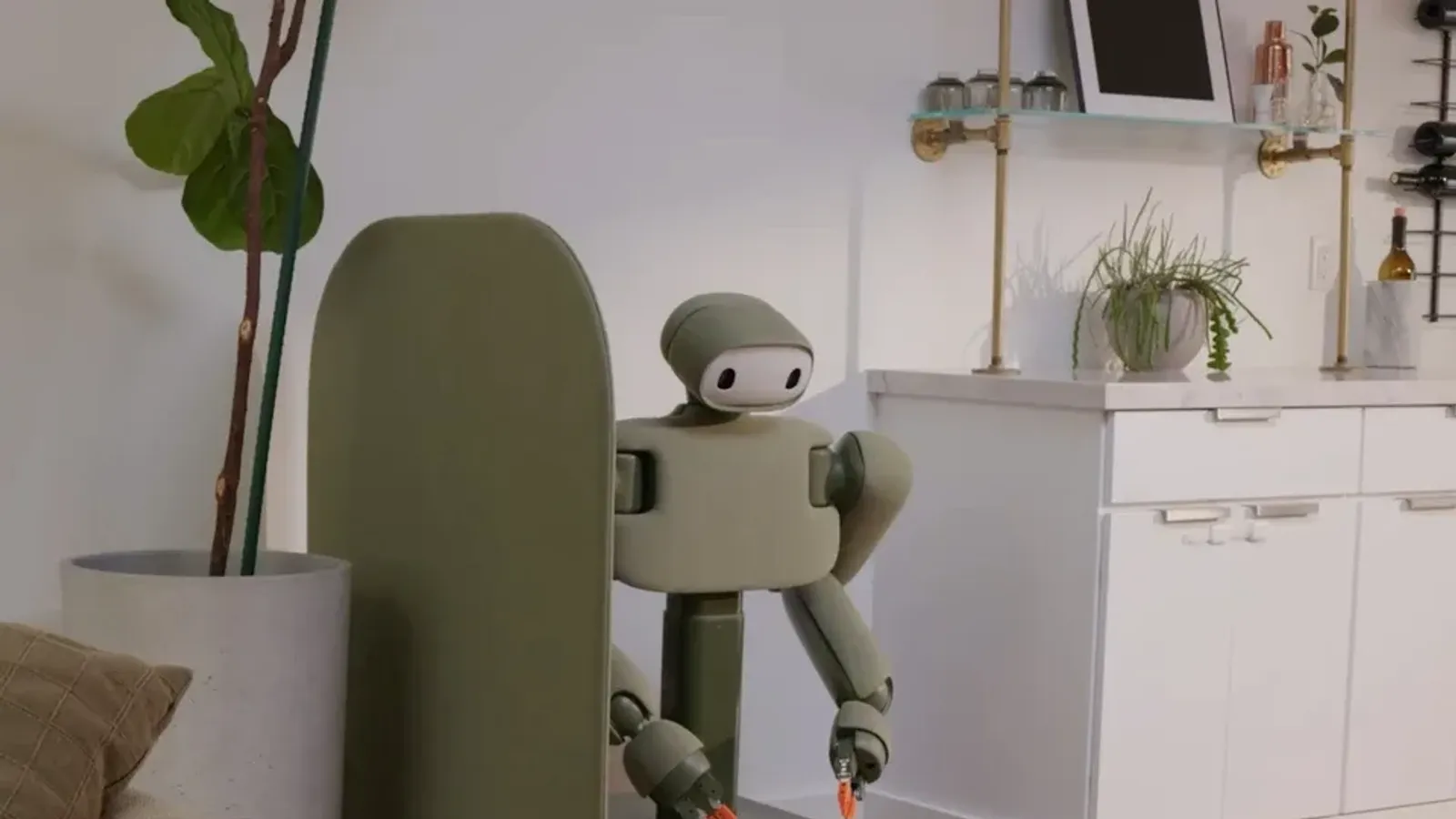
- Weave Robotics, San Francisco, takes preorders for Isaac 1.
- Nori Robotics, San Francisco, sells the A3.
- Sunday Robotics, Mountain View, runs a beta for Memo.
- Figure AI, Tesla and Apptronik build humanoids that work in industry first.
Different strategies
The clearest difference is what each group sells first.
Chinese makers mostly sell hardware now. Unitree, Booster, EngineAI and Noetix ship robots with public prices. Most of these robots are platforms for code, research, education, entertainment or business work. They walk and move well, but they are not chore robots. Unitree's store even advises buyers to understand the limits of humanoids before buying.
American makers mostly sell a home helper later. 1X, Weave, Sunday and Nori are built around household tasks, such as laundry, tidying and dishes. Most of them take a deposit or run a beta now and deliver later. Figure and Tesla target homes in the long run but sell to industry first.
There are exceptions on both sides. Noetix sells Bumi to Chinese families, and SwitchBot and Vbot pitch their robots for homes. Nori ships a hands-on robot that owners train themselves.
Price
Chinese humanoids are cheaper at the low end. The Unitree R1 starts at $4,900 and the Booster K1 launched at $5,999. In China, Noetix Bumi costs CNY 9,998, about $1,400. The American chore robots with prices are Nori A3 at $1,688, Isaac 1 at $7,999 and NEO at $20,000. Comparing these directly is not fair, though, because the cheap Chinese humanoids and the American chore robots do different jobs.
Where you can buy
Chinese developer humanoids are the most widely available robots in Europe, through resellers such as RobotShop and Génération Robots and through Unitree's own store. The American chore robots are US-only for now. So for a buyer in Denmark, Germany or the UK, the choice today is mostly a Chinese developer humanoid or waiting.
Support, software and data
These questions apply to any maker, wherever it is based.
- Warranty. Unitree's warranties run 6 to 18 months depending on model. Booster's K1 Geek edition has 3 months. 1X offers 3 years with NEO Early Access.
- Repairs. Ask where repairs happen and who pays freight, especially if the maker has no local service.
- Software and cloud. Check where your data is stored, which apps are needed and what stops working if the maker's servers go offline.
- Language. Some robots support Chinese and English voice only, such as the Booster K1.
Money and staying power
Both groups are well funded. Unitree listed on Shanghai's STAR Market in August 2026, and SwitchBot's parent and DOBOT are listed in Hong Kong. Figure says it has more than $2 billion in cash, and Tesla funds Optimus itself. For buyers, a listed or well-funded company is more likely to be around for software updates and repairs.
Which side to watch if you want one at home
If you want a humanoid you can own today, especially in Europe, you will most likely buy a Chinese developer robot, from Unitree or Booster, and you should treat it as a platform, not a helper. If you want a robot for chores, the nearest options are American and US-only, with delivery planned rather than done. Judge any robot on its price, warranty, local support and data policy rather than its flag. For the full maker list, see which companies build humanoid robots for the home?