How long does a humanoid robot battery last?
Battery life for every humanoid and home robot with a published figure, from 20 minutes to 8 hours, plus charging times, swappable batteries and what runtime means at home.

On this page
Battery life is one of the least glamorous specs on a robot and one of the most important. A robot that runs for 20 minutes is a demo. A robot that runs for 8 hours and charges itself is a household appliance. The published figures across humanoid and home robots range across that whole span.
All figures below come from the makers, unless we say otherwise, and none has been independently tested in real homes.
Key facts
- Longest runtime among home robots: Weave Isaac 1, 8 hours (2 hours to charge)
- Walking home humanoids: Figure 03 about 5 hours, 1X NEO about 4 hours
- Cheap developer humanoids: Unitree R1 about 1 hour, Booster K1 Geek about 20 minutes of walking
- Self-charging: NEO and Figure 03 (wireless, through the feet), Memo planned for the beta
- Swappable batteries: Unitree G1 and R1, Fourier GR-3, EngineAI robots
Home robots
| Robot | Runtime | Charging |
|---|---|---|
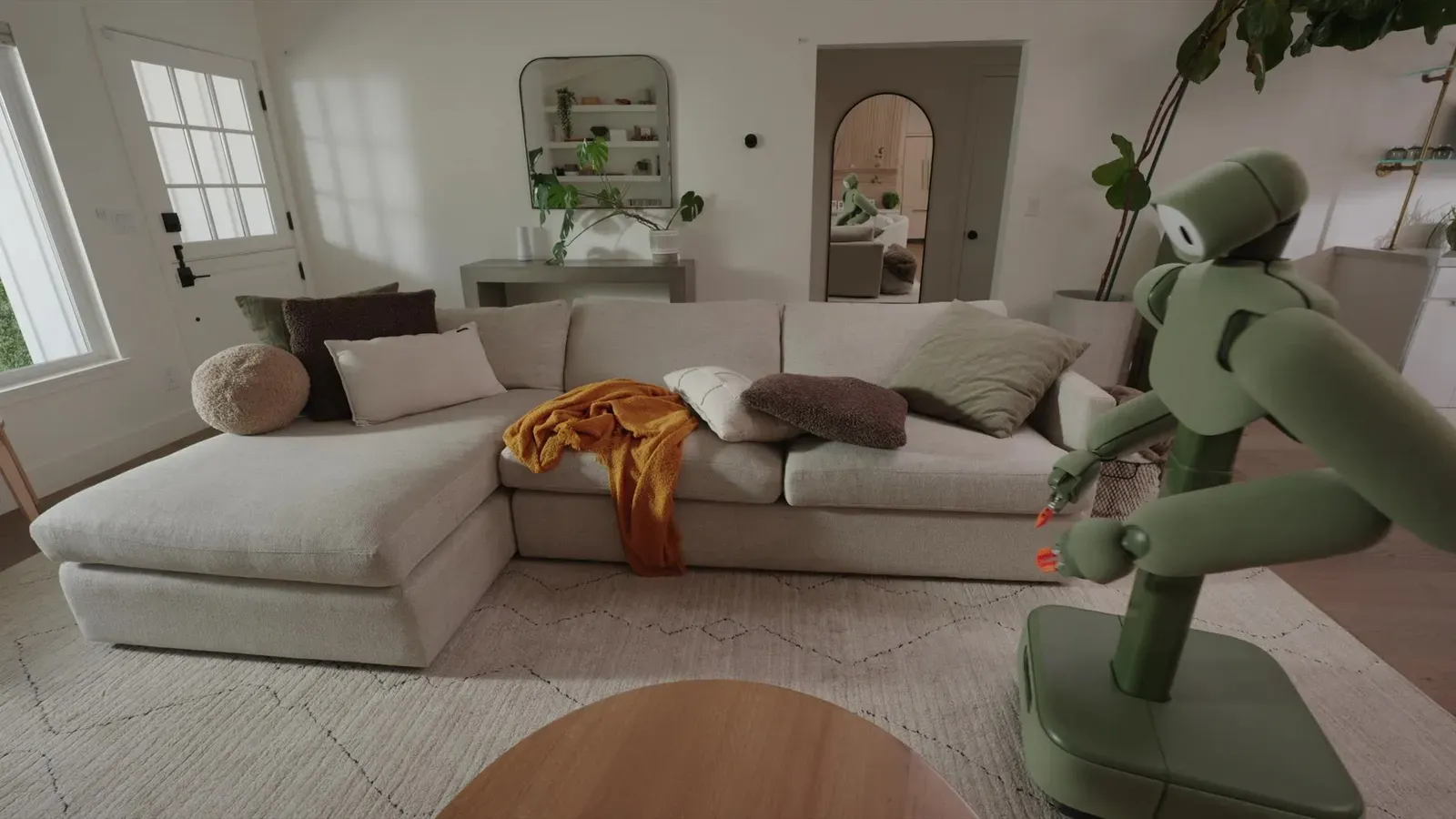
| Weave Isaac 1 | 8 h | 2 h |
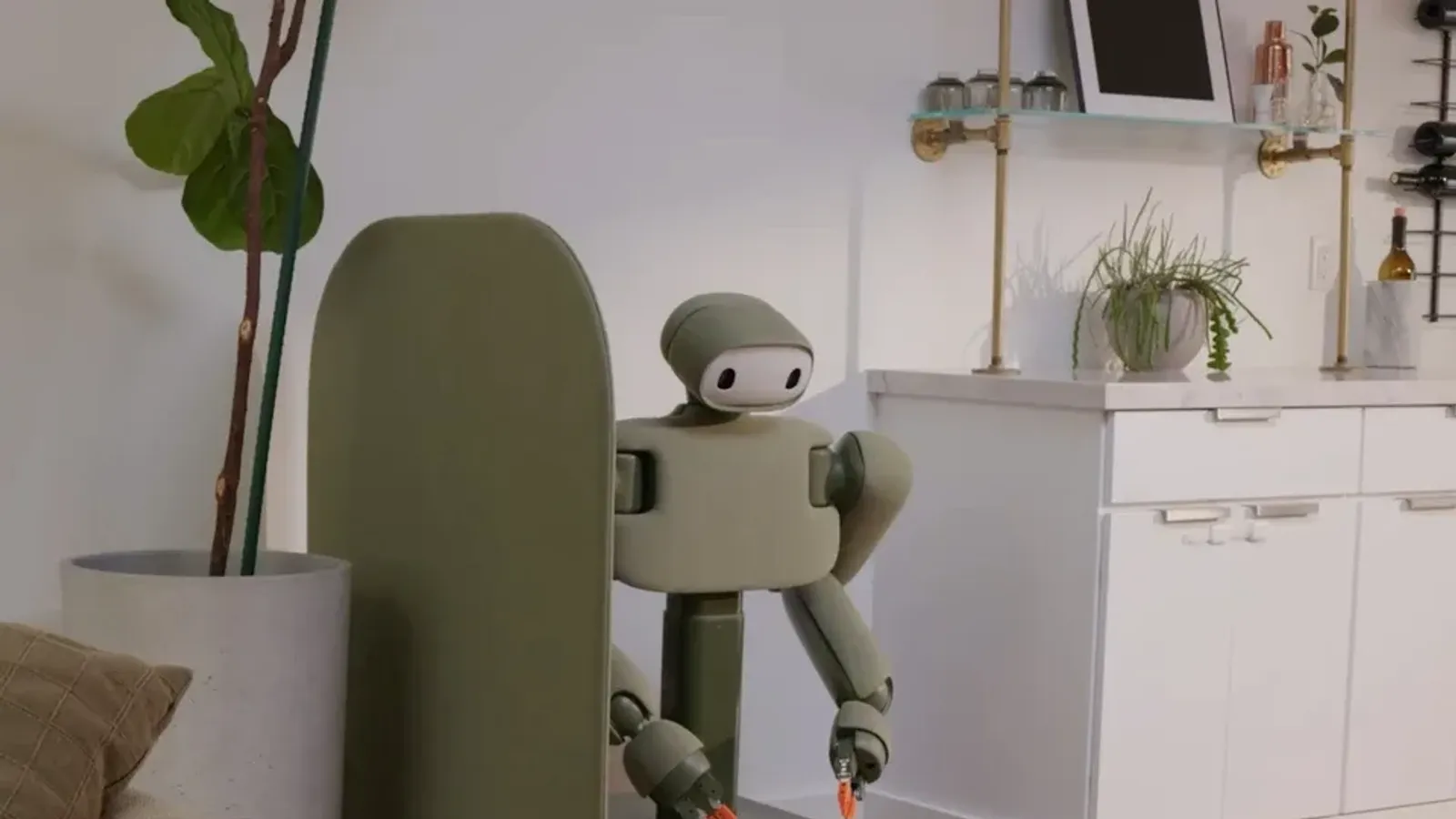
| Nori A3 | 6 to 8 h | Not published |
| Figure 03 | About 5 h | 2 kW wireless through the feet |
| 1X NEO | About 4 h (842 Wh battery) | Self-charging |
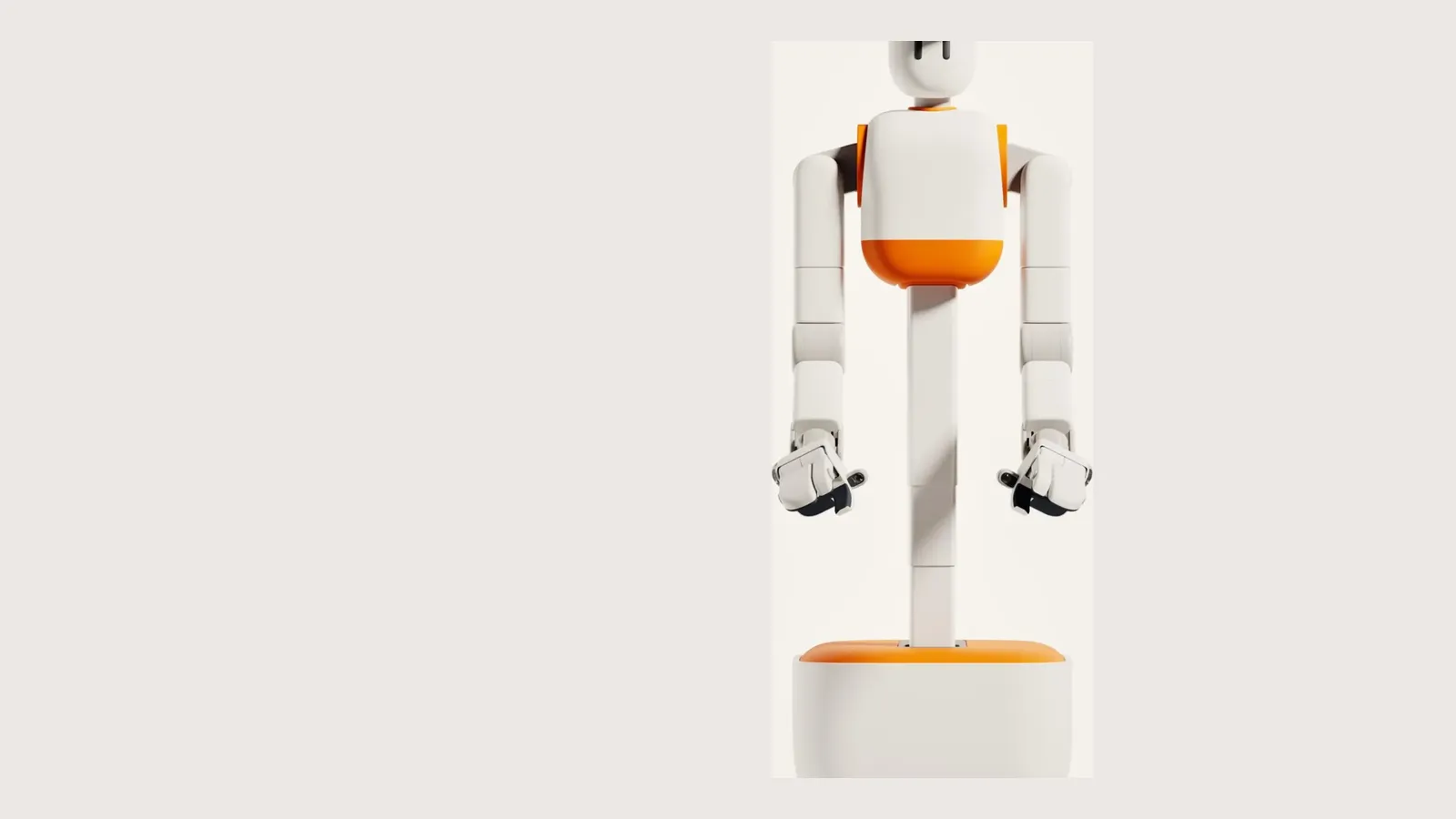
| Sunday Memo | About 4 h | About 1 h |
| Kinetix AI KAI | About 3 to 4 h (reports differ) | Not published |
Developer and education humanoids
| Robot | Runtime | Notes |
|---|---|---|
| Unitree H2 | About 3 h | 0.972 kWh battery |
| Fourier GR-3 | About 3 h | Hot-swappable, about 1.5 h to charge |
| Noetix Bumi | Up to 3 h | About 1 h to charge |
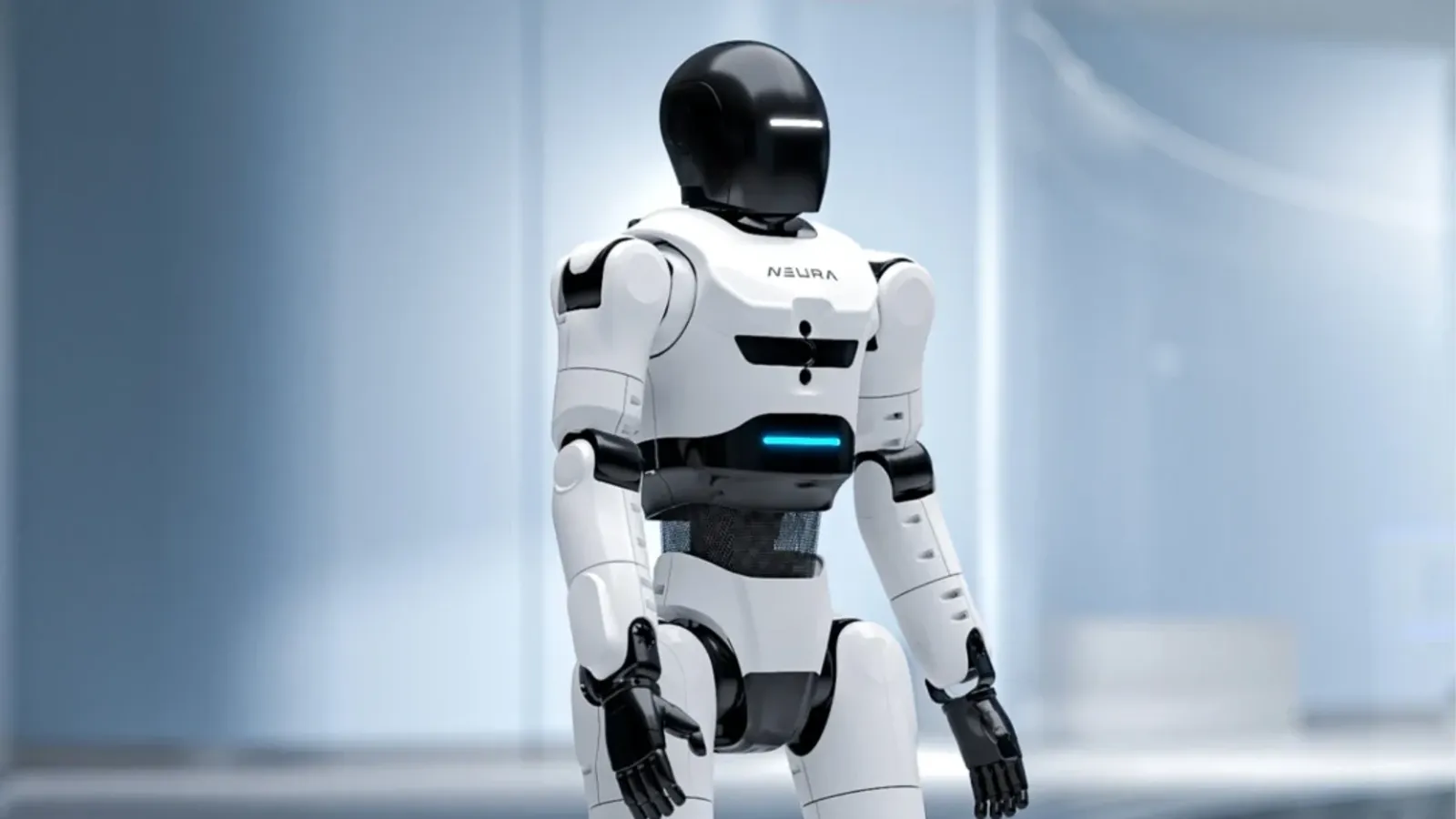
| NEURA 4NE1 Mini | About 2.5 h of motion | |
| Unitree G1 | About 2 h | Quick-release battery |
| Booster T1 | About 2 h walking, 4 h standing | |
| Booster K1 | 20 min (Geek) or 1 h 10 min (Edu/Pro) walking | Battery size differs by edition |
| Unitree R1 | About 1 h | Swappable |
Why the numbers vary so much
Three things drive battery life.
- Legs or wheels. A walking robot spends energy balancing even when it stands still. A robot on a stable wheeled base does not. That is a big reason Isaac 1 and Nori A3, both wheeled, lead the home robot list.
- Battery size. NEO has an 842 Wh battery. The cheapest Booster K1 has a 2 Ah pack. Bigger batteries add weight, which costs energy in turn.
- What the robot is doing. Walking, lifting and carrying use far more power than standing or slow arm work. Booster's figures for the T1 show this, about 2 hours walking against 4 hours standing.
Maker figures are usually measured in favourable conditions. Real runtime in a busy home will likely be lower.
Does short battery life matter at home?
Less than you might think, if the robot charges itself. A home robot does not need to run all day. It needs to finish a job, such as a laundry cycle or an evening tidy, then go back to its charger. That is why self-charging matters as much as the runtime number.
- NEO lists self-charging among its capabilities.
- Figure 03 charges wirelessly through coils in its feet at 2 kW when it stands on its charging stand.
- Memo, Sunday says, will have self-charging available for the beta.
For developer robots, which run in sessions with a person watching, swappable batteries are the practical answer. Unitree's G1 and R1 have quick-release packs, and Fourier's GR-3 has hot-swappable batteries, so you can swap without shutting down.
Charging time
Charging time is published for only a few robots. Isaac 1 takes 2 hours, Memo about 1 hour, Bumi about 1 hour and Fourier GR-3 about 1.5 hours. A robot that runs 4 hours and charges in 1 hour can be available most of the day if it docks itself between jobs.
What the battery means in daily use
For a home robot, look for two things together, enough runtime to finish a real chore (3 hours or more is a sensible floor) and automatic charging so you never have to plug it in. Isaac 1 leads on runtime at 8 hours, while NEO and Figure 03 combine 4 to 5 hours with self-charging. For developer humanoids, budget for a spare battery, especially on the Unitree R1 and the Booster K1 Geek, where one battery gives you an hour or less.