What is a humanoid home robot?
A plain explainer of what counts as a humanoid home robot, what today's models can and cannot do, what they cost and which ones you can actually get.

On this page
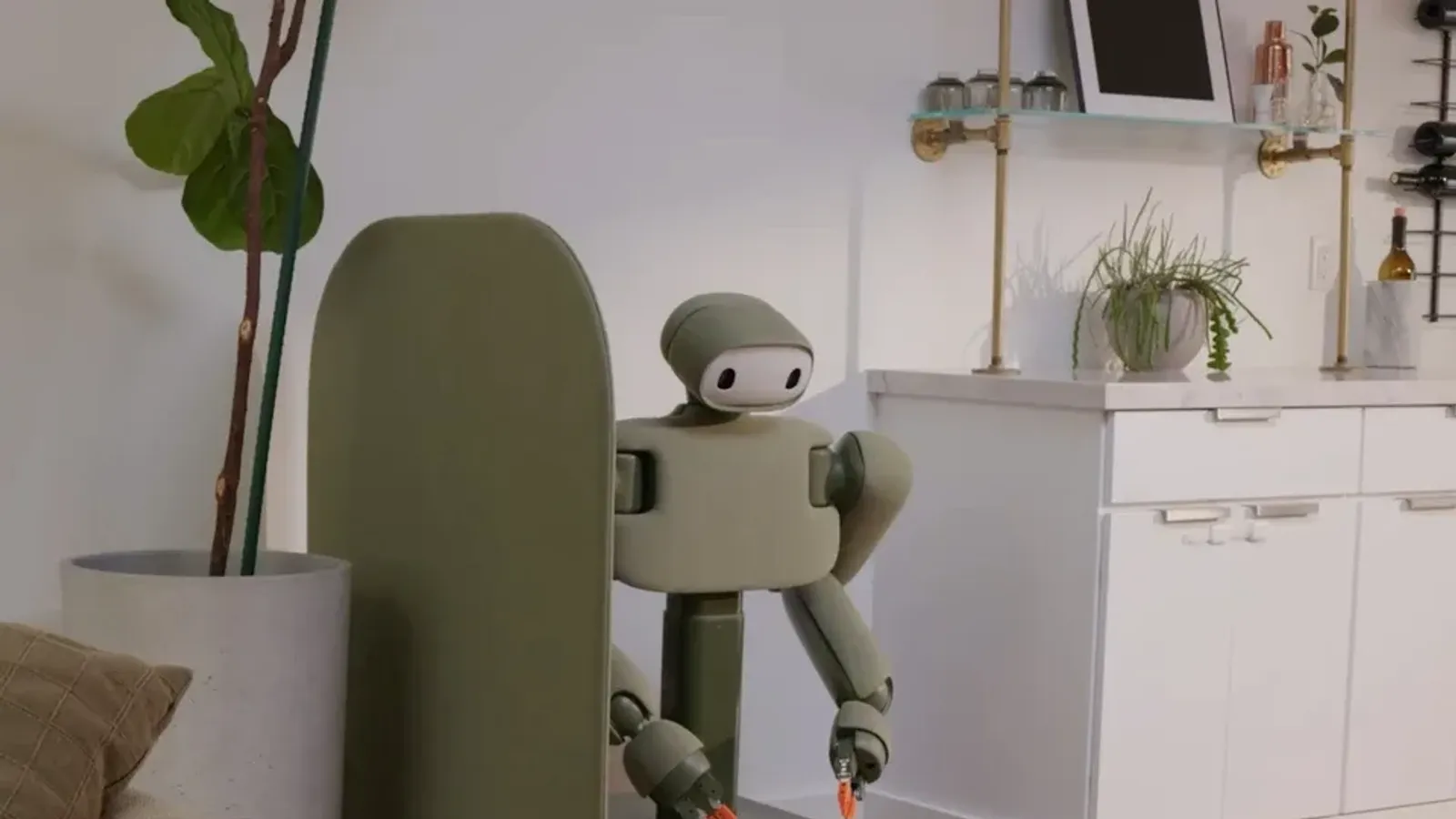
A humanoid home robot is a robot with a roughly human shape that is built to do physical jobs in an ordinary home. It has two arms and hands, a head with cameras, and either legs or an upright wheeled body. The idea is that it can tidy, fold laundry, load a dishwasher or fetch things, using the same rooms, doors and cupboards you do.
That separates it from a robot vacuum, which does one job, and from a smart speaker, which cannot touch anything. It also separates it from factory humanoids, which may look similar but are sold to businesses.
Key facts
- What it is: a human-shaped robot with arms and hands, made to do chores in a normal home
- Two body types: walking (bipedal) and wheeled base with a humanoid upper body
- Price range today: from about $1,700 to $20,000 for robots aimed at homes, more for some companion models
- Buyable now: a handful, mostly preorders or developer robots, and US or China first
- Biggest caveat: most chores still fail some of the time, and many robots rely on remote human help
Why a human shape?
Homes are designed around people. Handles, light switches, shelves and kitchen counters all sit at human height. A robot shaped like a person can, in theory, work in any home without changes to the home.
That is the bet behind companies such as 1X, Figure, Tesla and Unitree. Others think a full human body is overkill. Weave and Sunday put two arms on a wheeled base, which is cheaper, more stable and avoids the hardest problem, which is walking safely around children and pets.
Walking or wheeled?
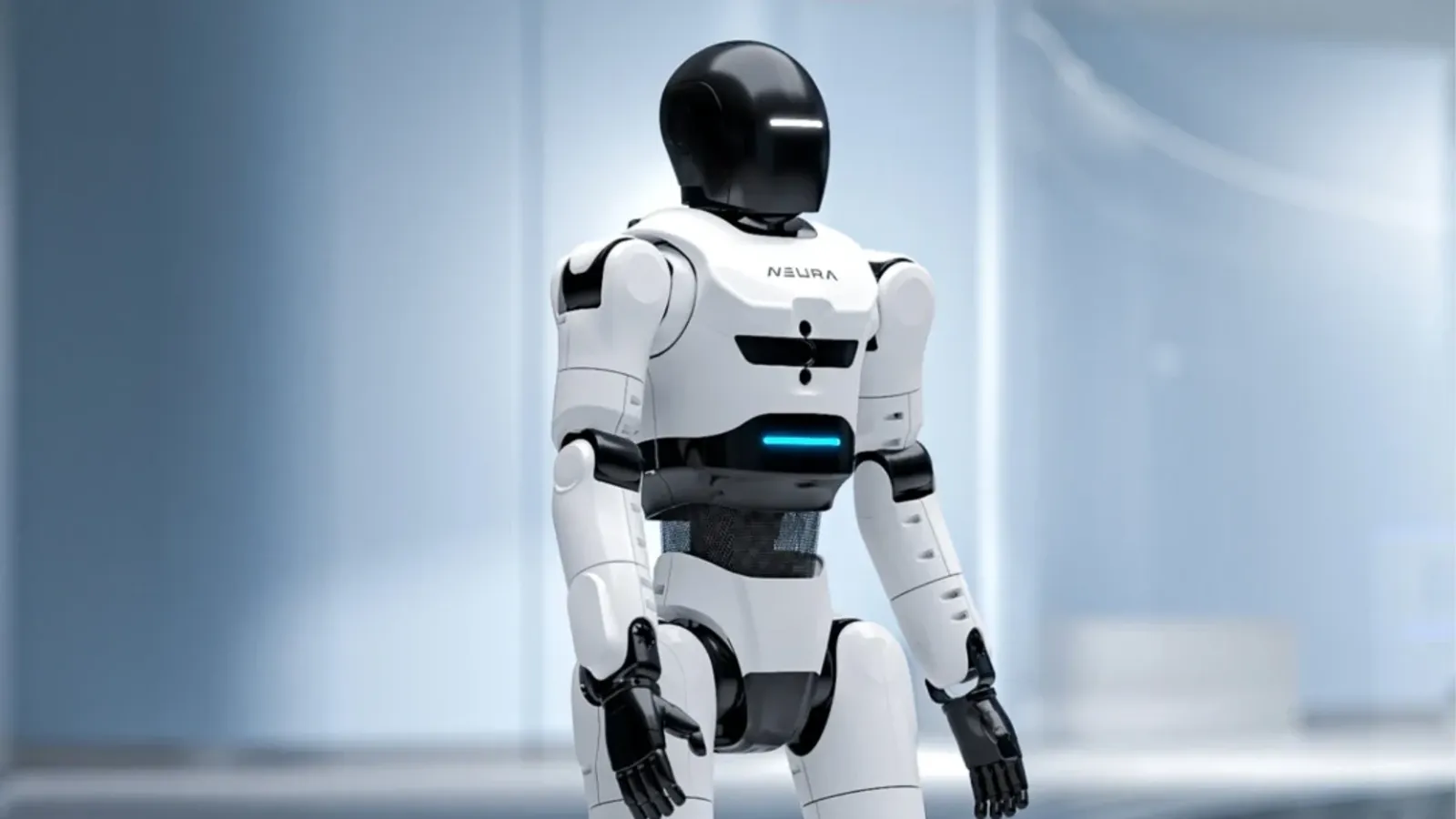
Walking humanoids such as 1X NEO and Figure 03 can in principle handle steps and thresholds. They are harder to build, cost more and carry a fall risk.
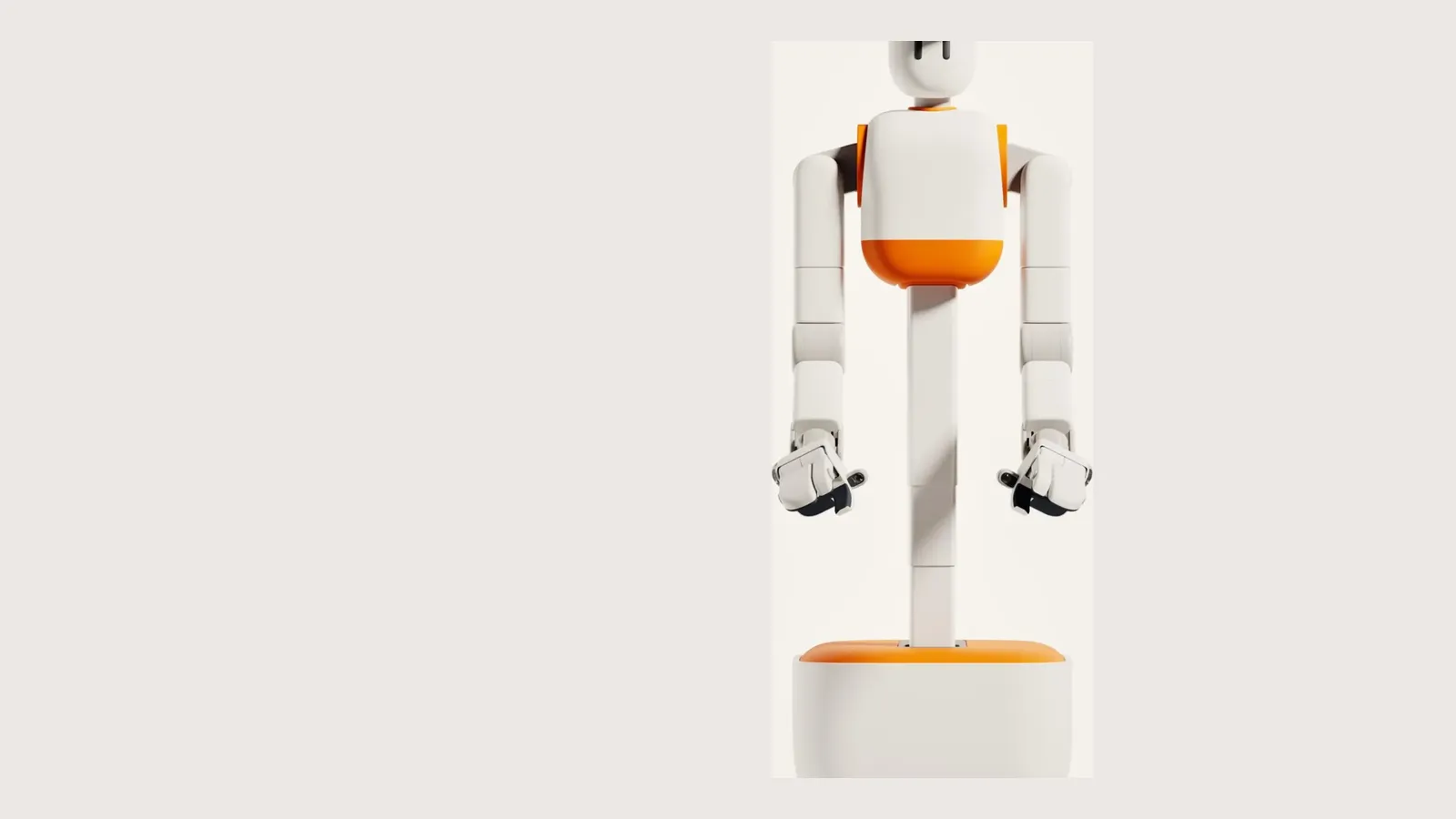
Wheeled humanoids such as Weave Isaac 1 and NORI A3 roll on a base and can raise or lower their torso to reach the floor or a counter. They cannot climb stairs, but they are simpler and usually cheaper.
Neither type is clearly better yet. For a flat apartment, wheels are fine. For a house with stairs, no robot on sale today solves that well.
What can they do today?
Less than the launch videos suggest, and more than a few years ago. Here is what makers have shown, with the honest limits.
- Laundry: Isaac 1 is sold with a laundry routine for gathering, folding and putting away clothes. Figure reported a 62% success rate for towel folding in its own September 2026 test.
- Tidying: putting toys, shoes and cushions back is one of the most common demos. Figure's test put toy tidying at 40%.
- Kitchen help: loading a dishwasher and fetching drinks have been shown by NORI A3 and Sunday's Memo, among others. Cooking a full meal has not been shown reliably by anyone.
- Conversation: most models talk. Some, like UBTech's UWORLD U1, are built mainly for companionship rather than chores.
In Figure's test across 30 homes the robot had never seen, it completed the whole task in about 56% of trials. That was a company test, not an independent one, but it is a useful reality check.
Remote operators are part of the deal
Many home robots get help from people working remotely. 1X lets NEO owners book an Expert who guides the robot through tasks it has not learned. Weave says Isaac 1 can call in remote help when needed.
This is how the robots learn, and it is also a privacy question. Before you buy, check when a person can see through the robot's cameras and whether you have to approve it each time.
What they cost
Prices vary a lot because the robots do very different things.
- NORI A3: $1,688, paid in full at order (US)
- Flourish 1: $3,555 at launch; delivery date not confirmed
- Unitree R1: from $4,900, a walking developer robot that does no housework
- Isaac 1: $7,999 or $449 a month, $250 refundable deposit (US)
- 1X NEO: $20,000 or $499 a month, $200 refundable deposit (US)
- UBTech UWORLD U1: from 119,800 yuan in China, a companion robot
Most of these are sold in the US or China first. European buyers should check whether the maker ships to their country and add shipping, VAT and import duty.
Which ones can you actually get?
Only a few are past the announcement stage.
- Delivered to homes: UBTech's U1 is in Chinese homes, and Unitree sells R1 from its online store. NORI A3's first batch sold out, and Nori says the second ships in the US this fall.
- Preorder: NEO and Isaac 1 take refundable deposits in the US. Flourish 1 is reported as open for orders.
- Not for sale: Figure 03 and Tesla Optimus have no consumer price or order page. Sunday's Memo is in an invite-only beta.
Our status guide explains what each label means and what to check before you pay a deposit.
Should you buy one now?
For most households, not yet. The robots that ship today are early products. They are slow, they fail part of the time and they often need remote help or your own training.
They make sense for early adopters who like testing new tech and can live with a robot that improves through software updates. Everyone else should compare a few models on the robot list, watch the delivery news and wait for independent reviews from real homes.