When can you buy a humanoid home robot in Europe?
No chore-focused home robot has a confirmed EU launch yet. What you can order in Europe today, what the makers have said about coming here, and the rules that shape the timing.

On this page
Almost every home robot launch so far has been a US launch. If you live in Copenhagen, Berlin, Paris or Madrid, the order pages either do not ship to you or do not exist yet. That does not mean Europe is being ignored, but it does mean the timing is uncertain, and I want to be clear about what is confirmed and what is a guess.
Key facts
- Chore robots with an EU launch date: none as of 17 November 2026
- Closest public promise: 1X says NEO expands to other markets from 2027, without naming countries
- What you can buy in the EU today: developer humanoids such as Booster K1 and Unitree robots through resellers
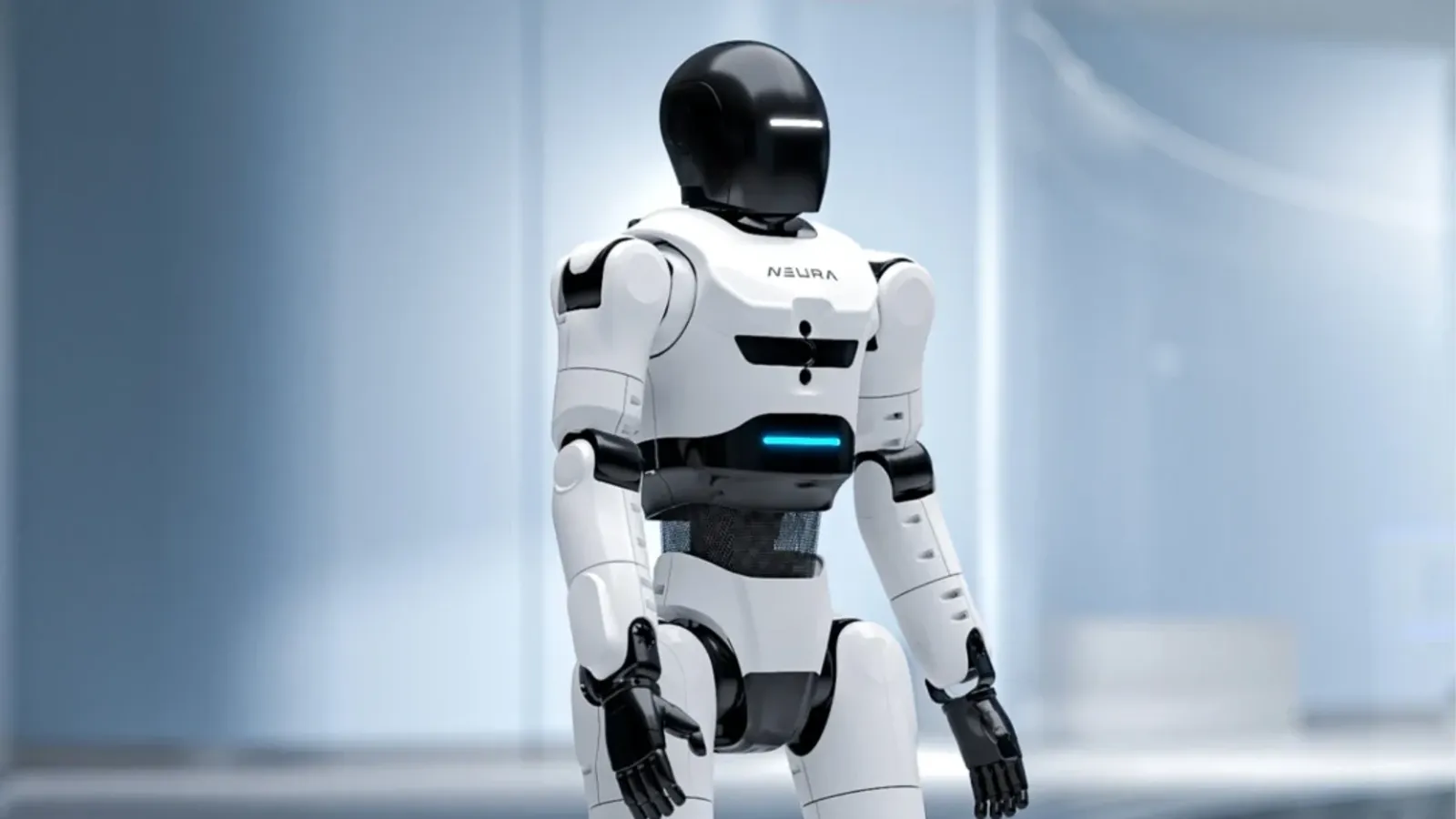
- European maker with a euro price: NEURA 4NE1 Mini, €19,999 or €29,999 before tax, reservations open
- New EU Machinery Regulation: applies from 20 January 2027
What you can buy in Europe now
You can order a walking humanoid to most EU countries today. They are developer and education robots, not household helpers.
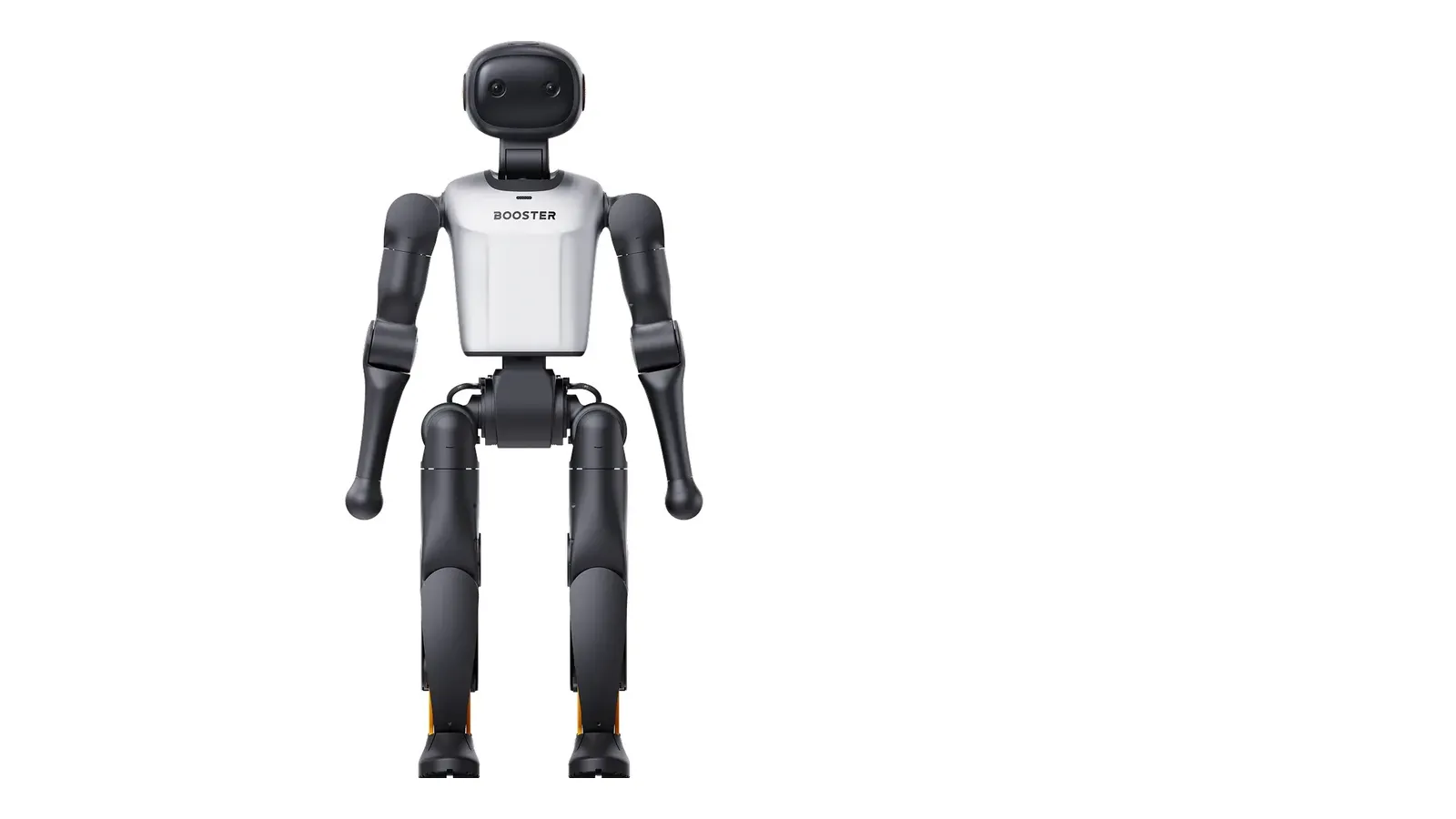
- Booster K1, sold through EU resellers such as Génération Robots in France, from €7,500 excluding VAT, and RobotShop's EU store.
- Unitree R1, G1 and H2, through Unitree's own store and European resellers.
- NEURA 4NE1 Mini, from German maker NEURA Robotics, with a refundable €100 reservation. NEURA expects availability in 2026, but we have not seen confirmed customer deliveries.
Buying from a seller inside the EU means VAT is included at checkout, no customs step, and at least a two-year legal guarantee for private buyers.
What the home robot makers have said about Europe
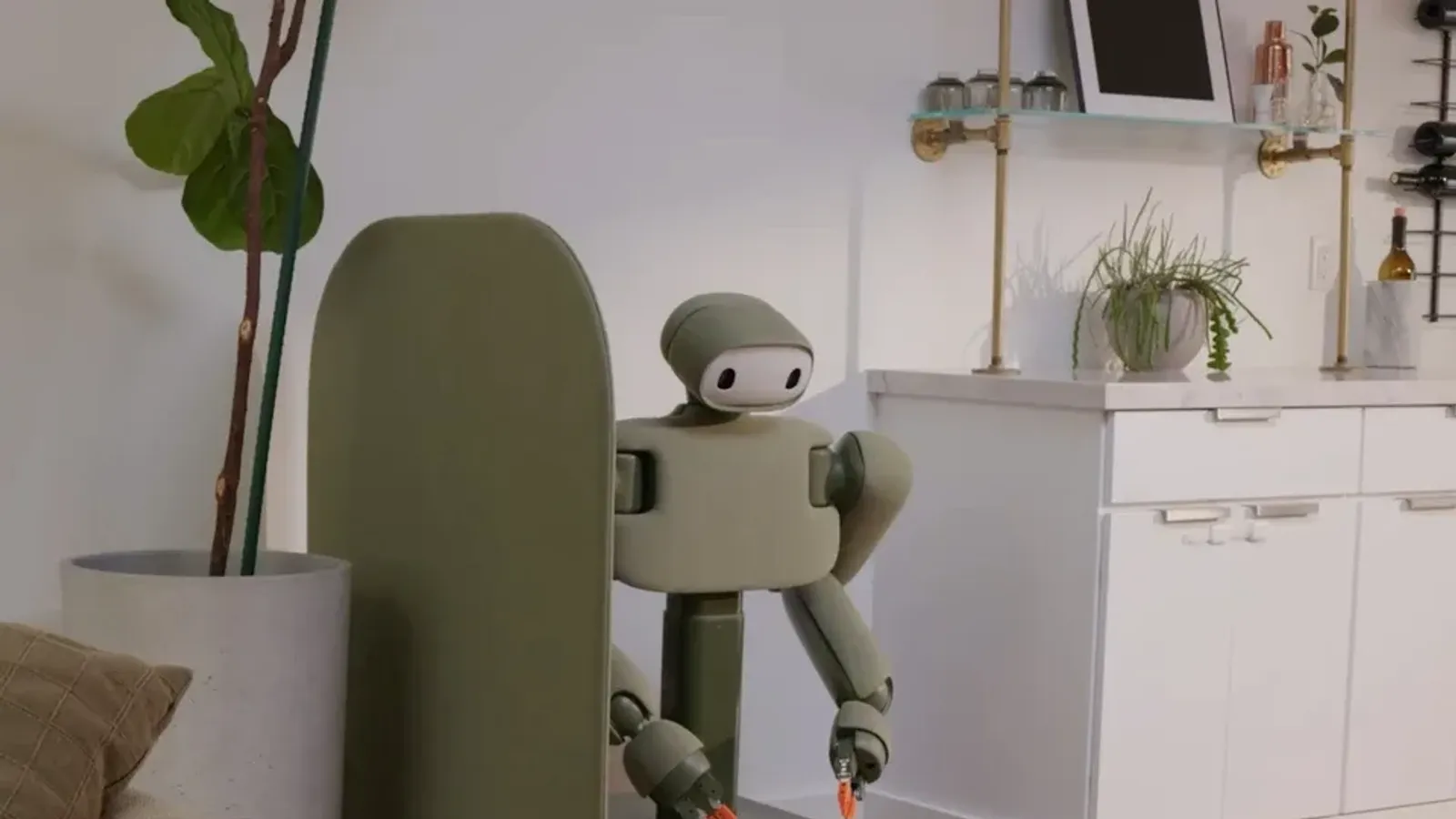
- 1X NEO: deliveries go primarily to the US in 2026, and 1X says it will expand to other markets starting in 2027. It has not named them, and there is no euro price.
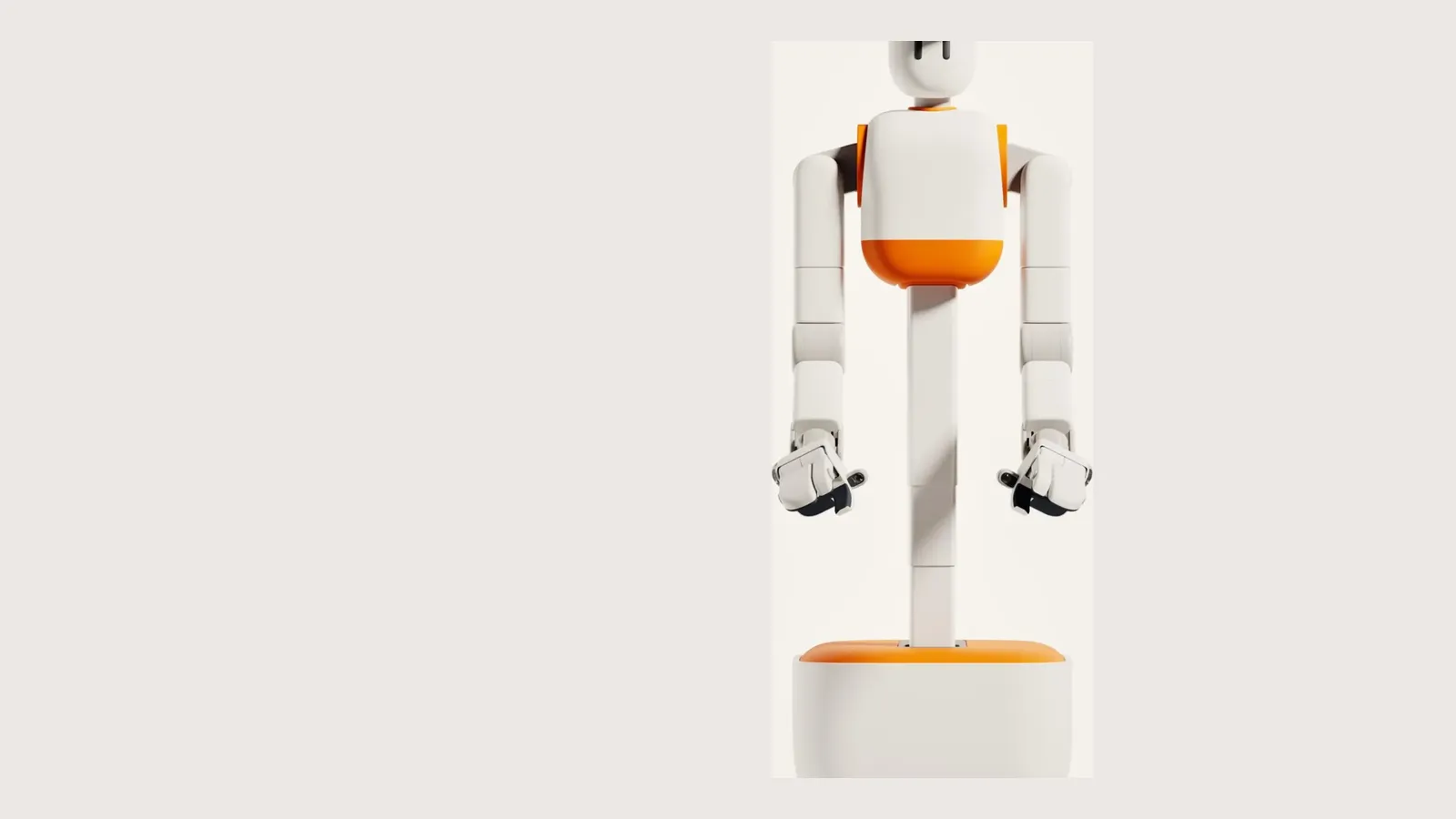
- Weave Isaac 1: California first, rest of the US through 2027. No European plans announced.
- Sunday Memo: invite-only US beta from late 2026. No countries named beyond that.
- Nori A3: sold in the US. No EU shipping announced.
- SwitchBot Onero H1: SwitchBot sells its other products in Europe, but Onero H1 only appears on its US store, marked as coming soon.
- LG CLOiD: no launch in any country. LG plans real-world tests around 2027.
- DOBOT Lumo: shown at IFA in Berlin in September 2026 and at a DOBOT event in Frankfurt in October 2026. No price or sales date.
Why Europe comes later
There are a few practical reasons, and none of them is unique to robots.
Product rules
A robot sold in the EU must carry CE marking, which means the maker shows it meets EU safety rules. The new EU Machinery Regulation (EU) 2023/1230 replaces the old Machinery Directive and applies from 20 January 2027. It adds requirements for machines with self-learning behaviour and for cybersecurity that affects safety. The EU AI Act adds rules for the AI inside products. Meeting all of this takes time and money, so most makers prove the product in one market first.
Privacy law
Home robots collect images and audio inside homes. Under GDPR, that is personal data, with rules on consent, storage and deletion. Robots that use remote human operators, such as NEO and Isaac 1, raise extra questions about who sees that data and where.
Service and support
A home robot needs repairs, parts and sometimes a technician. Building that network in many countries, with many languages, is hard for a startup that has not delivered its first robots at home yet.
Language
Voice control is how you talk to most home robots. Many demos are in English only. Booster K1 handles Chinese and English, and NEURA says its 4NE1 Mini supports multilingual voice.
European companies to watch
- NEURA Robotics, Metzingen, Germany. Mainly industrial, but its 4NE1 Mini has a public euro price.
- Clone Robotics, Wrocław, Poland. Pitches its androids for household tasks, but its own roadmap puts first sales in businesses like hotels around 2028.
When will it happen?
Nobody can give you a date, and I will not guess one. The signals to watch are a euro or kroner price on a maker's order page, a named EU country with a delivery window, and CE marking for a chore robot. NEO's "other markets from 2027" is the closest thing to a promise. Until a maker names countries, assume the US gets home robots first and Europe follows later.
What to do while you wait
If you are in Europe and want a humanoid now, you can buy a developer robot such as the Booster K1 or a Unitree model from an EU reseller. If you want a robot that does chores, you have to wait, and no maker has given Europe a date. A refundable deposit on a US order page does not help, because the robots do not ship here. For country details, read our guides for Denmark, Germany and the UK.