Are home robots safe around children and pets?
What makers have done to make home robots safer, what they warn about, which safety standards exist, and the questions to ask before a robot shares a home with kids or pets.

On this page
A robot vacuum bumping into the cat is one thing. A 30 to 80 kg machine with arms, moving around a living room with a toddler in it, is another. Safety is the question I would ask first if I had small children or a dog, and it is one of the least documented areas of the whole category.
Here is what the makers have actually said and done, and what is still missing.
Key facts
- No home humanoid has published independent safety test results for homes with children or pets
- Design choices for safety: soft bodies (NEO), arms that give way when pushed (Memo), wheeled bases with a low centre of gravity (LG CLOiD)
- Weights range from about 30 kg (NEO) to about 77 kg (Memo)
- Unitree advises keeping a safe distance from its humanoids during use
- A safety standard for personal care robots exists (ISO 13482), but makers rarely say whether they meet it
Why size and weight matter
The main risk with a home robot is not a science-fiction one. It is physical. A heavy machine can fall over, pinch fingers, knock into someone or drop what it is carrying. A few weights for reference:
- 1X NEO: 66 lb (29.9 kg)
- Unitree G1: about 35 kg
- Figure 03: 61 kg
- Sunday Memo: 170 lb (about 77 kg)
A light robot hurts less if it falls. A heavy wheeled robot is less likely to fall in the first place. Makers have picked different answers.
What makers have done
Soft bodies
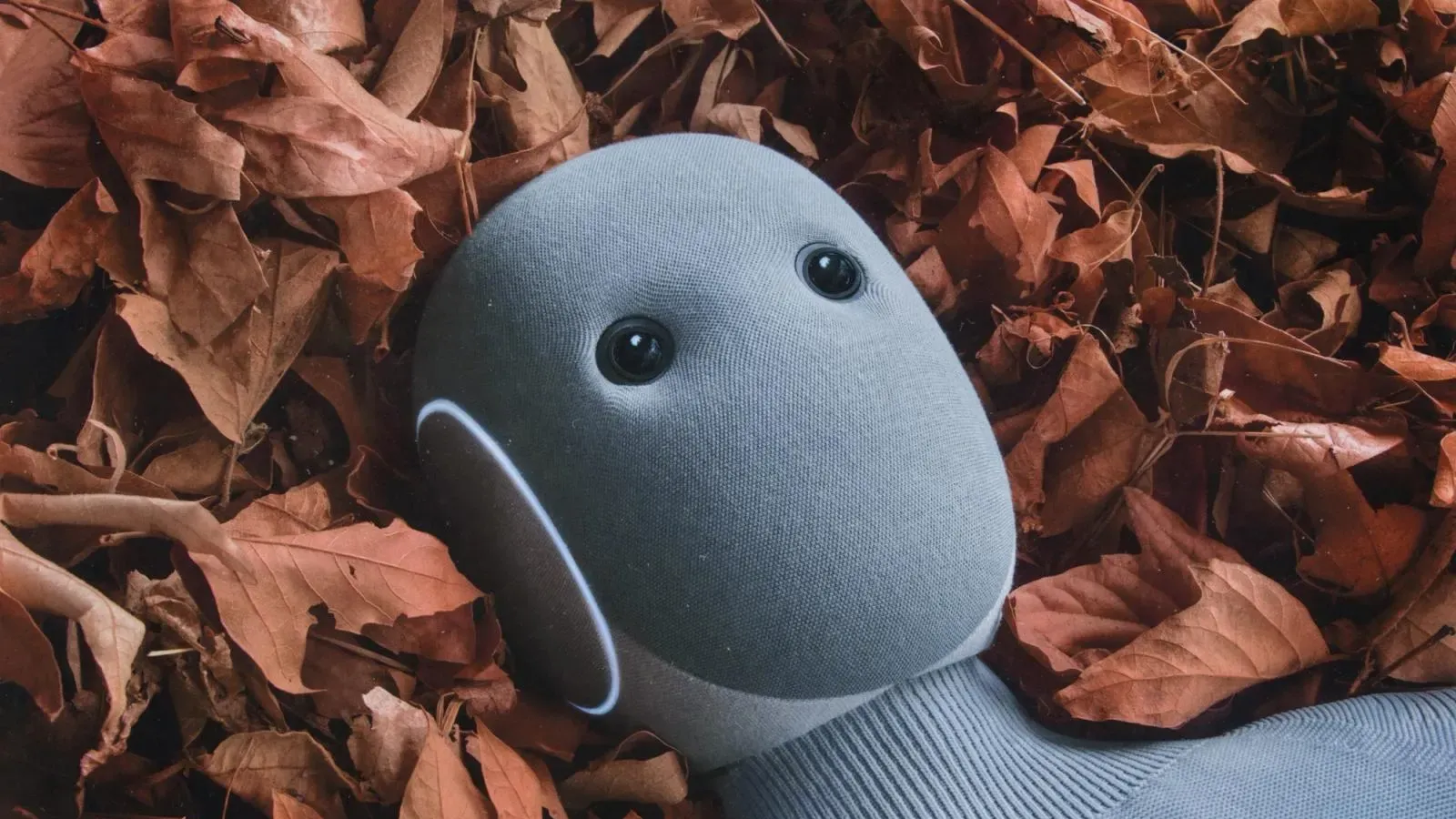
1X covers NEO in a soft 3D lattice polymer and says this makes it safer around people. NEO is also one of the lightest full-size humanoids. That is a sensible design for contact, though 1X has not published independent impact tests.
Arms that give way
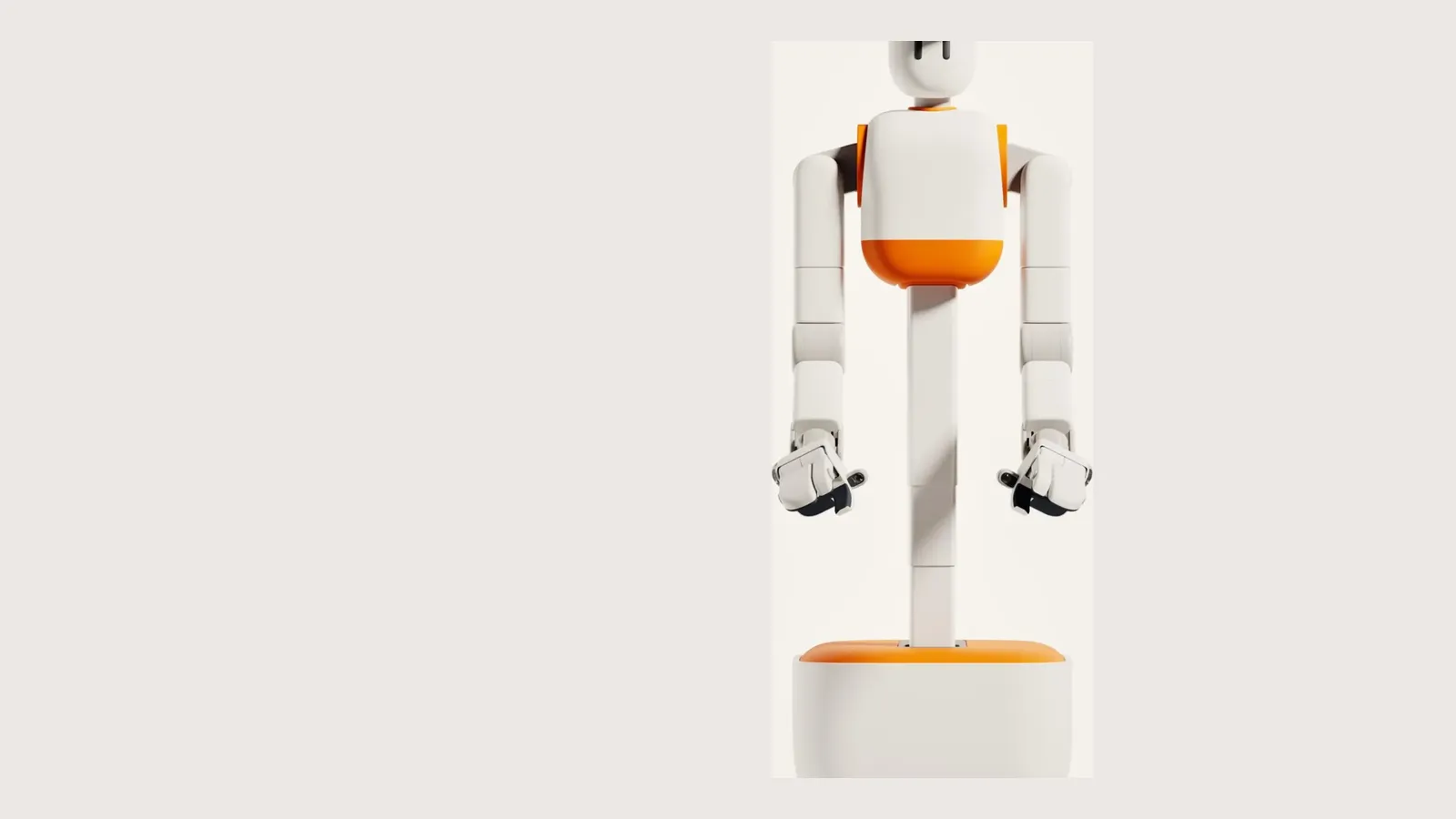
Sunday says Memo's arms are compliant, which means they yield when pushed instead of forcing through. Sunday also says Memo stays stable if the power is cut. That second point matters, because a walking robot that loses power can collapse.
Wheels and a low centre of gravity
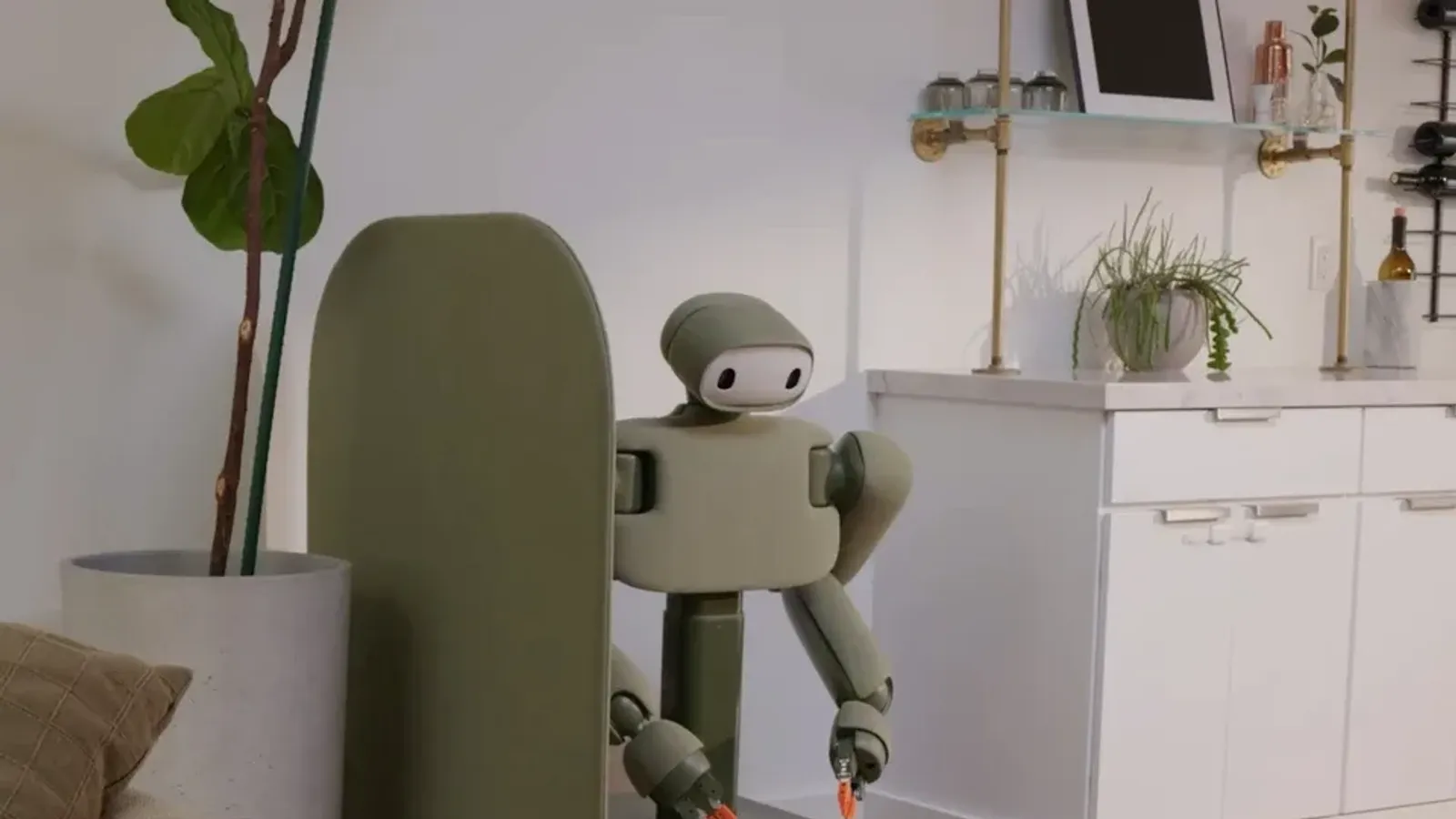
LG says it chose a wheeled base for CLOiD for stability, safety and cost, with a low centre of gravity so children or pets are less likely to tip it over. Weave's Isaac 1 also uses a passively stable wheeled base. Wheels cannot climb stairs, but they do not fall over the way legs can.
Warnings from the makers
Unitree is unusually direct. Its shop advises buyers to understand the limits of humanoid robots before buying and to keep a safe distance during use. That is good advice for any developer humanoid, such as the Unitree R1 or Booster K1. These robots are built to move fast and do acrobatics, not to share a floor with a crawling baby.
What about safety standards?
There is an international standard for robots that work close to people in daily life. ISO 13482 sets safety requirements for personal care robots, including mobile servant robots. In the EU, robots also need CE marking, and the new EU Machinery Regulation, which applies from January 2027, covers machines with self-learning behaviour.
The problem for buyers is that very few home robot makers say which standards their robot has been certified to. We have not seen a safety certification named on the order pages of the US preorder robots. When a robot comes to Europe, CE marking will be a minimum.
What a test in real homes tells us
The most open data point so far is Figure's test of Figure 03 in 30 homes it had never seen. Figure counted safety interventions, where a person had to step in, as failures. Figure did not publish how many of the failures were safety stops. It is still a good sign that a maker tracks this, and it is the kind of number every company should publish before selling to families.
Pets are an open question
No maker has published results on how its robot behaves with dogs or cats. Pets jump, chase and get underfoot. Treat pet safety as unknown for every robot on Everyboti until someone shows real data.
Questions to ask before you buy
- How heavy is it, and what happens if it loses power or falls?
- Can it detect a small child or a pet on the floor, and how does it react?
- Is there a physical emergency stop, and can a child reach it?
- Which safety standard is it certified to?
- Can you set areas of the home the robot must avoid?
- What does the warranty or insurance say about damage or injury?
If the maker cannot answer, that is your answer for now.
Before a robot moves in with your kids
No home robot has proven it is safe to leave alone with small children or pets. The makers aiming at homes have made sensible design choices, such as NEO's soft body, Memo's yielding arms and the wheeled bases on CLOiD and Isaac 1, but none has published independent safety testing. If you buy an early robot, plan to supervise it, keep it in rooms the kids and pets are not in while it works, and treat developer humanoids as hobby machines, not house companions. Privacy is the other half of home safety, covered in home robot privacy and cameras.