Home robot privacy, cameras and who can see inside your home
Home robots need cameras to work, and some let company staff see through them. What NEO, Isaac 1, Memo and others have said about cameras, remote operators and data, and what to check.

On this page
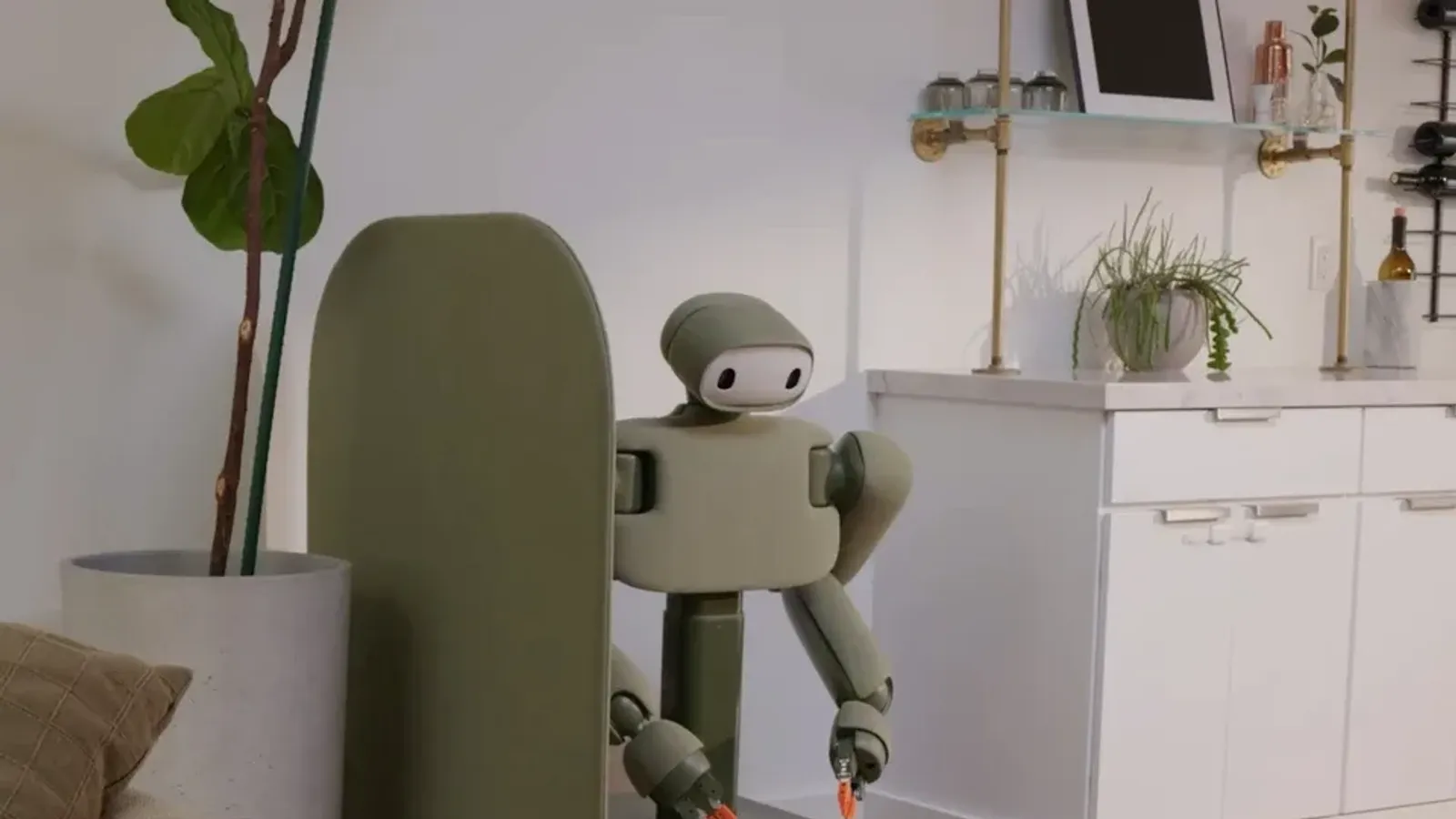
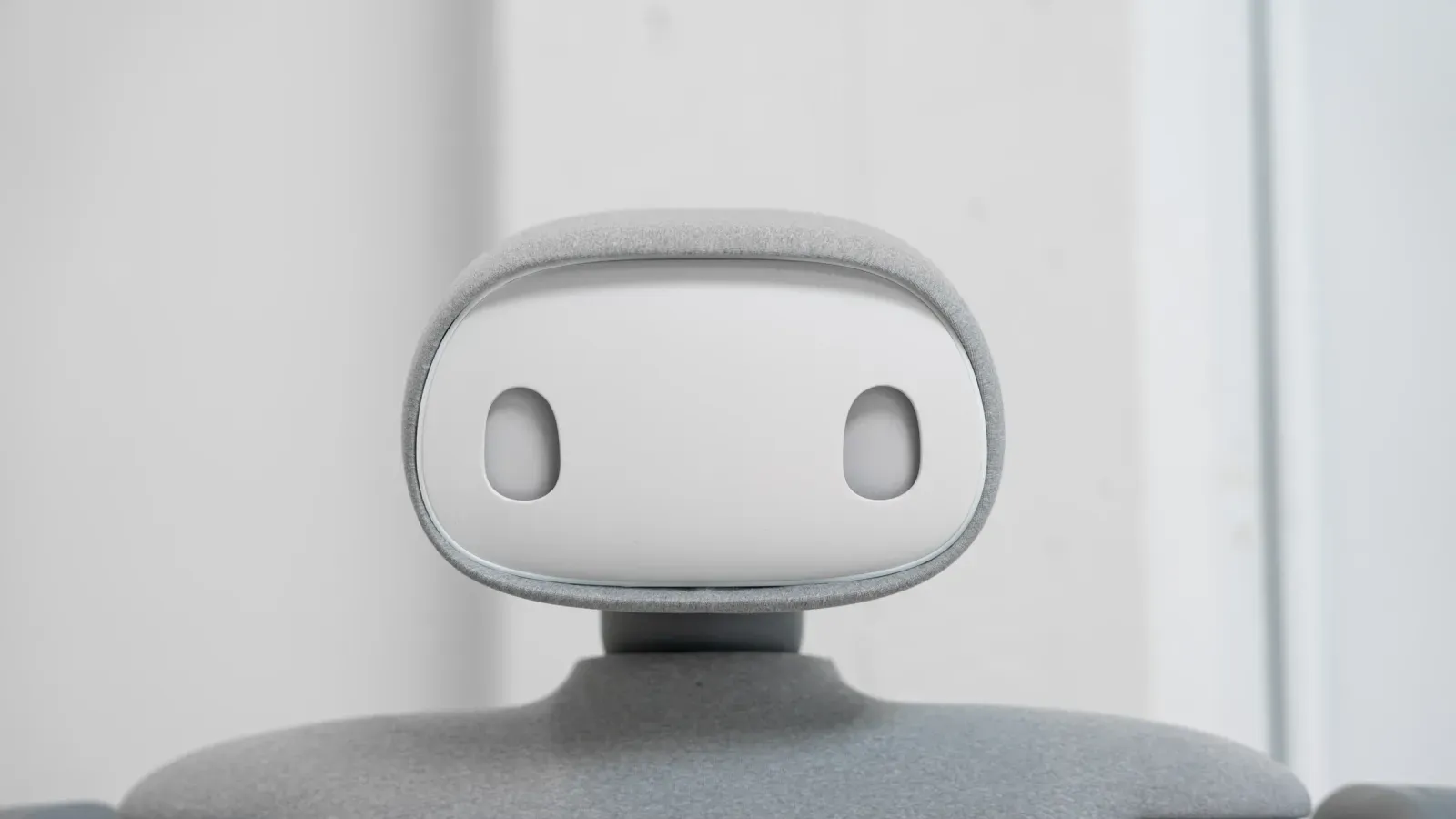
A robot that tidies your bedroom has to see your bedroom. That sounds obvious, but it changes how you should think about privacy. A home robot is not a smart speaker that listens for a wake word. It is a mobile set of cameras and microphones that moves from room to room, and on some robots a person at the company can look through those cameras.
That is not automatically a deal-breaker. It is something you should understand before paying a deposit.
Key facts
- Every home robot we track uses cameras to see, and most also have microphones for voice commands
- 1X NEO: owners can book a 1X Expert who guides the robot remotely
- Weave Isaac 1: remote operators step in when needed, and Weave staff may access camera data to operate the robot
- Sunday Memo: Sunday says it does not need remote operators in your home to learn tasks
- Independent privacy audits: none published for any home robot as of 17 November 2026
What a home robot sees and hears
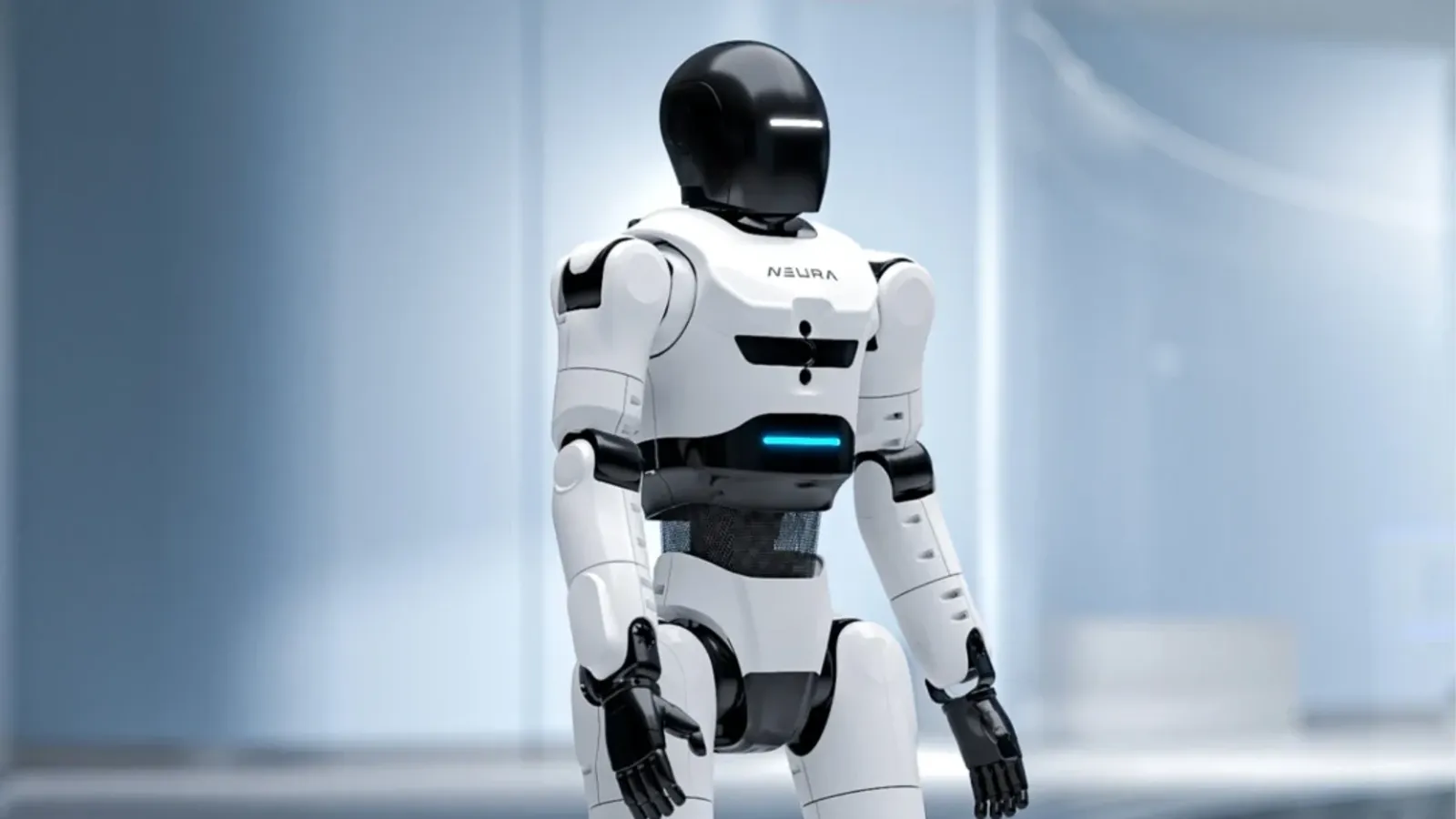
To work, a home robot builds a picture of its surroundings with sensors. A few examples from the robots we track:
- Nori A3 has four 720p cameras and a lidar sensor.
- SwitchBot Onero H1 uses depth cameras plus touch sensing.
- Figure 03 has cameras in its palms as well as its head.
- LG CLOiD has cameras in its head unit and connects to LG's ThinQ smart-home appliances.
Microphones are almost universal, because voice is the main way you tell these robots what to do. So the question is rarely whether a robot captures images and sound. It is where that data goes, who can see it and how long it is kept.
The big privacy issue is remote operators
The biggest difference between home robots today is whether a human can take over.
1X NEO
1X is open that NEO uses remote help. For chores NEO has not learned yet, owners can schedule a 1X Expert who guides the robot remotely. During those sessions a person at 1X sees what NEO sees. Engadget's launch coverage described NEO as a robot that will learn chores through teleoperation, which means those sessions also help train the robot. 1X describes these as scheduled sessions that the owner books.
Weave Isaac 1
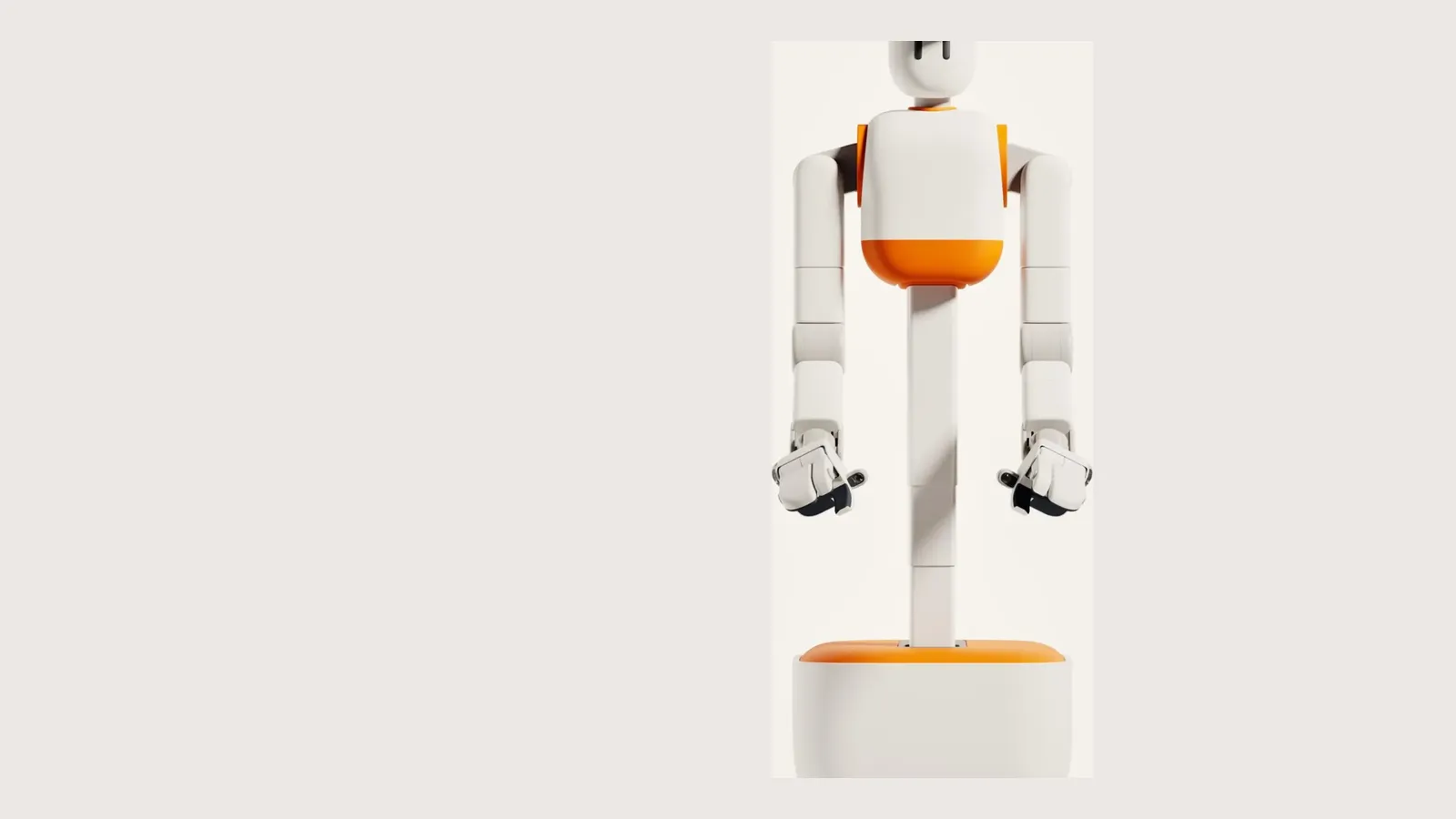
Weave says Isaac 1 works on its own for its laundry and tidying routines, with teleoperation stepping in when needed. Weave also says its staff may access camera data to operate the robot. If you value privacy, that is the line to read closely in the terms when your order agreement arrives.
Sunday Memo
Sunday takes a different approach. It trains Memo with data that paid helpers record in their own homes using a special glove, and says it does not need remote human operators in your home to learn tasks. That claim has not been independently verified, but it is a clear public position you can hold Sunday to.
I explain how remote control works, and why makers use it, in what is teleoperation?
Data and the cloud
Even without a remote operator, most home robots connect to the maker's servers for updates, app control and AI features. Things nobody has fully published yet for the chore robots:
- Whether video is stored, and for how long
- Whether recordings are used to train the maker's AI, and whether you can opt out
- Which country the data is stored in
- What happens to your data if the company is sold or shuts down
These are standard questions for any connected device. For a camera that walks around your home, they matter more.
For buyers in Europe
None of the chore robots is sold in the EU yet. When they arrive, GDPR will apply to the personal data they process, including images of you, your family and guests. That gives you rights to access and delete data. It does not stop a company from collecting it in the first place, so the maker's own design choices still matter.
Questions to ask before you buy
- Can someone at the company see through the robot's cameras, and when?
- Do I get a clear signal, such as a light or a sound, when a remote person is connected?
- Can I approve or refuse each remote session?
- Can I mark rooms the robot must not enter or record?
- Is video stored, and can I delete it?
- Is my home data used to train the AI, and can I opt out?
What to check before you let one in
Home robots in 2026 are not private by default. NEO and Isaac 1 both use remote human help, and with that comes a person seeing inside your home at times. Sunday says Memo avoids this, but Memo is not for sale. Before you pay more than a refundable deposit, get written answers to the questions above. If a maker will not answer them, treat that as an unknown, which is how we list it on each robot page.