What is teleoperation, and why does 1X NEO use it?
Teleoperation means a person controls a robot from somewhere else. Here is how it works, why 1X NEO and Weave Isaac 1 use it, how others avoid it, and what it means for you.

On this page
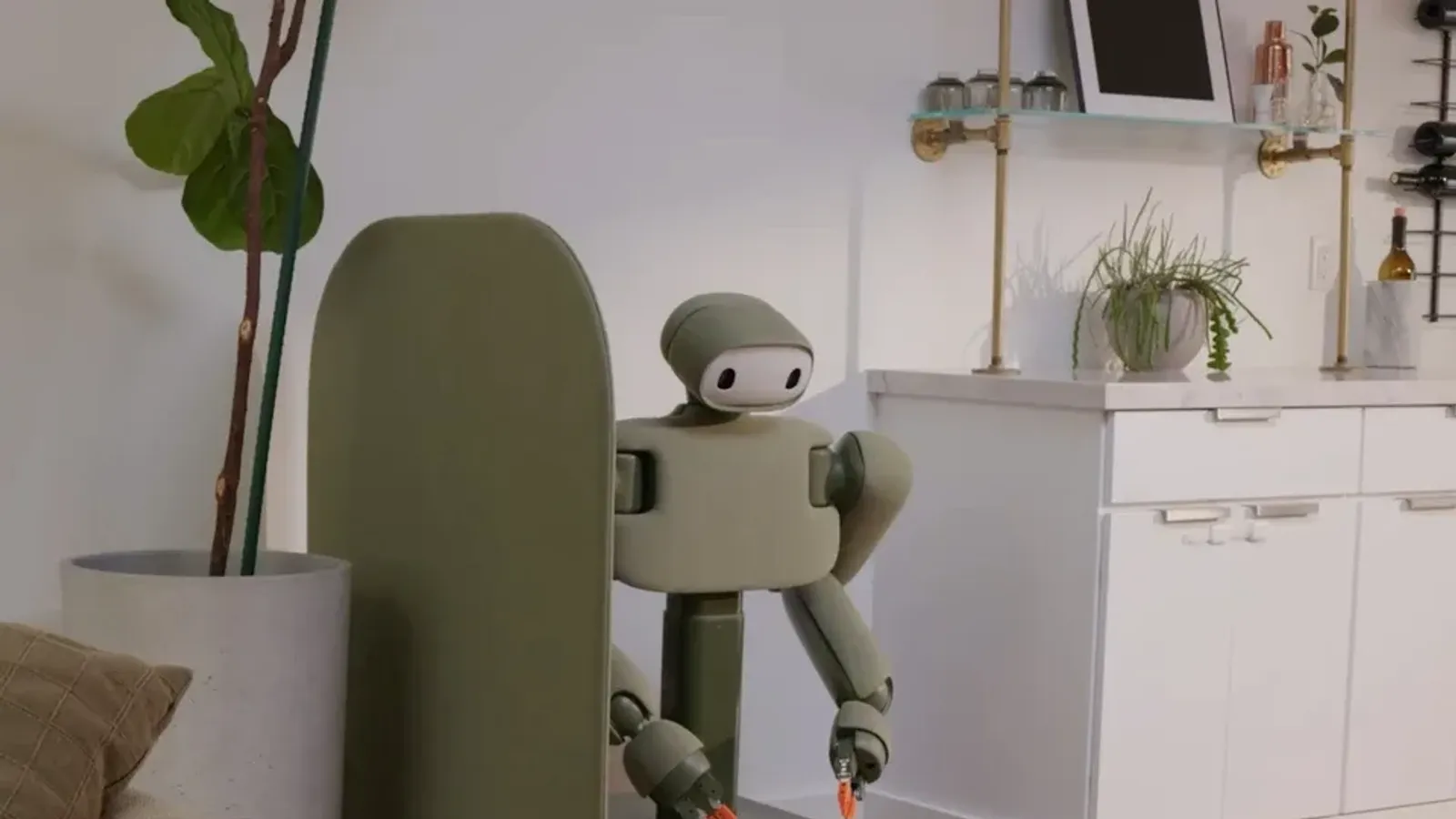
When a robot in a video folds a shirt perfectly, the first question I ask is who was in control. Sometimes the answer is the robot. Sometimes it is a person wearing a headset in another room. Both are called "robot demos", and the difference matters a lot if you are about to buy one.
That remote control has a name, teleoperation, and it is a big part of how home robots work in 2026.
Key facts
- Teleoperation means a human controls a robot remotely, seeing through its cameras and steering its arms and body
- 1X NEO lets owners book a 1X Expert who guides the robot through chores it has not learned yet
- Weave Isaac 1 uses remote operators when it needs help with its routines
- Sunday Memo is trained with glove data recorded in helpers' homes and Sunday says it does not need remote operators in your home
- No maker has published how often its home robot needs a human in real homes
How teleoperation works
The operator usually sits at a station with a screen or a VR headset that shows the robot's camera view. Their hand and arm movements, tracked by controllers or gloves, are turned into robot movements. Some setups control the whole body. Others let the robot handle walking and balance while the human guides the hands.
There are two main reasons to do it.
- To finish a task the robot cannot do alone. The person takes over, completes the chore and hands control back.
- To collect training data. Every remote session records what the robot saw and what the correct movements were. That data trains the robot's AI so it can do the task on its own next time.
Most companies do both at once. Each time a human helps, the robot gets a lesson.
Why 1X NEO uses it
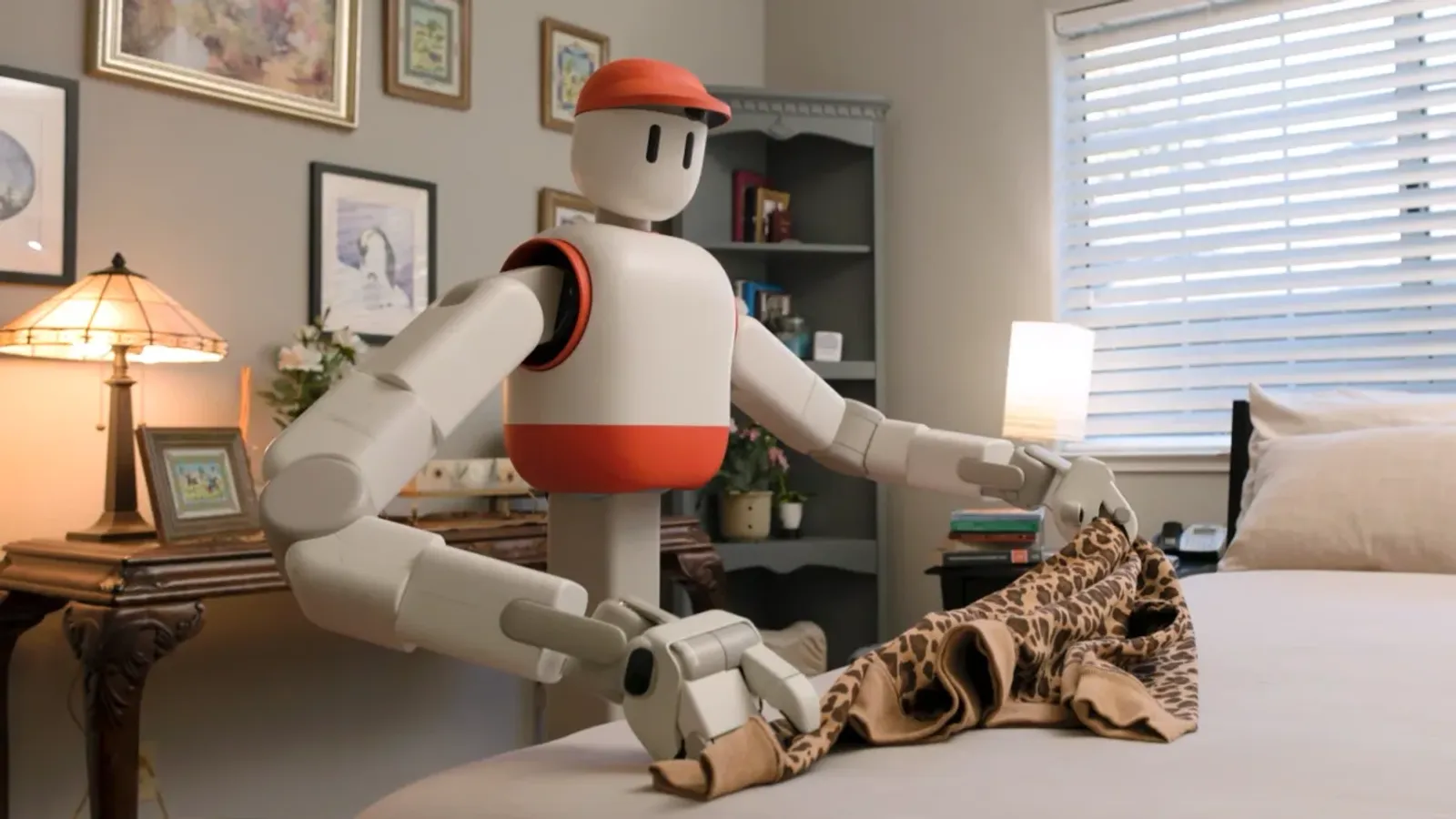
NEO is a general-purpose home humanoid, and no robot today can do every chore in every home on its own. 1X's answer is to be open about remote help. For chores NEO does not know yet, owners can schedule a session with a 1X Expert who guides the robot remotely. Engadget's launch coverage summed it up as a robot that will learn chores through teleoperation.
From 1X's side, this makes sense. It lets NEO be useful from day one, rather than only doing a short list of trained tasks, and it gathers data from real homes, which is the hardest data to get. From the buyer's side, it means a person at 1X sometimes sees inside your home and moves a robot through it.
Who else uses it
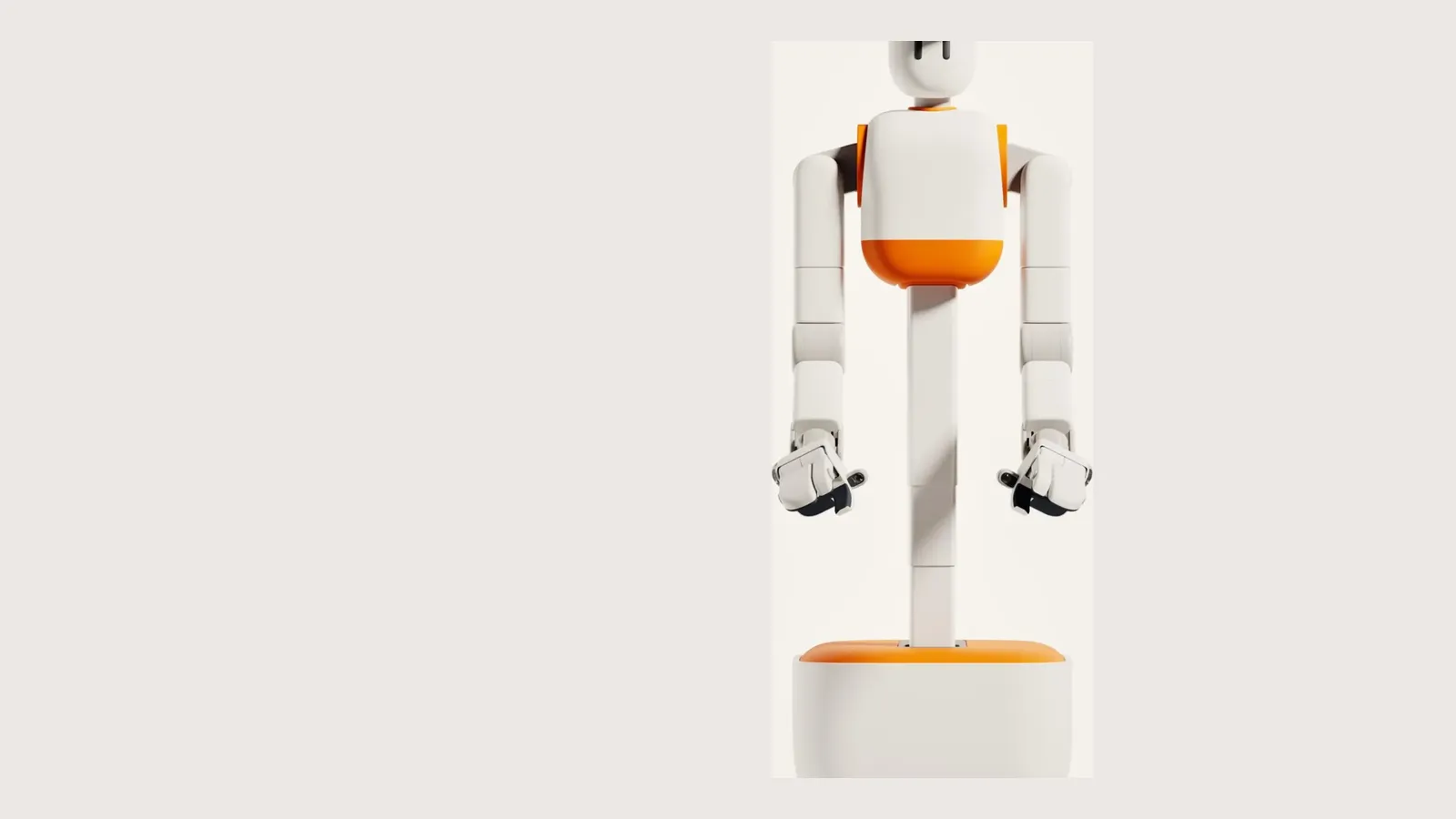
- Weave Isaac 1: Weave says Isaac 1 runs its Laundry Flow and Daily Reset routines on its own, with teleoperation stepping in when needed, and that staff may access camera data to operate the robot.
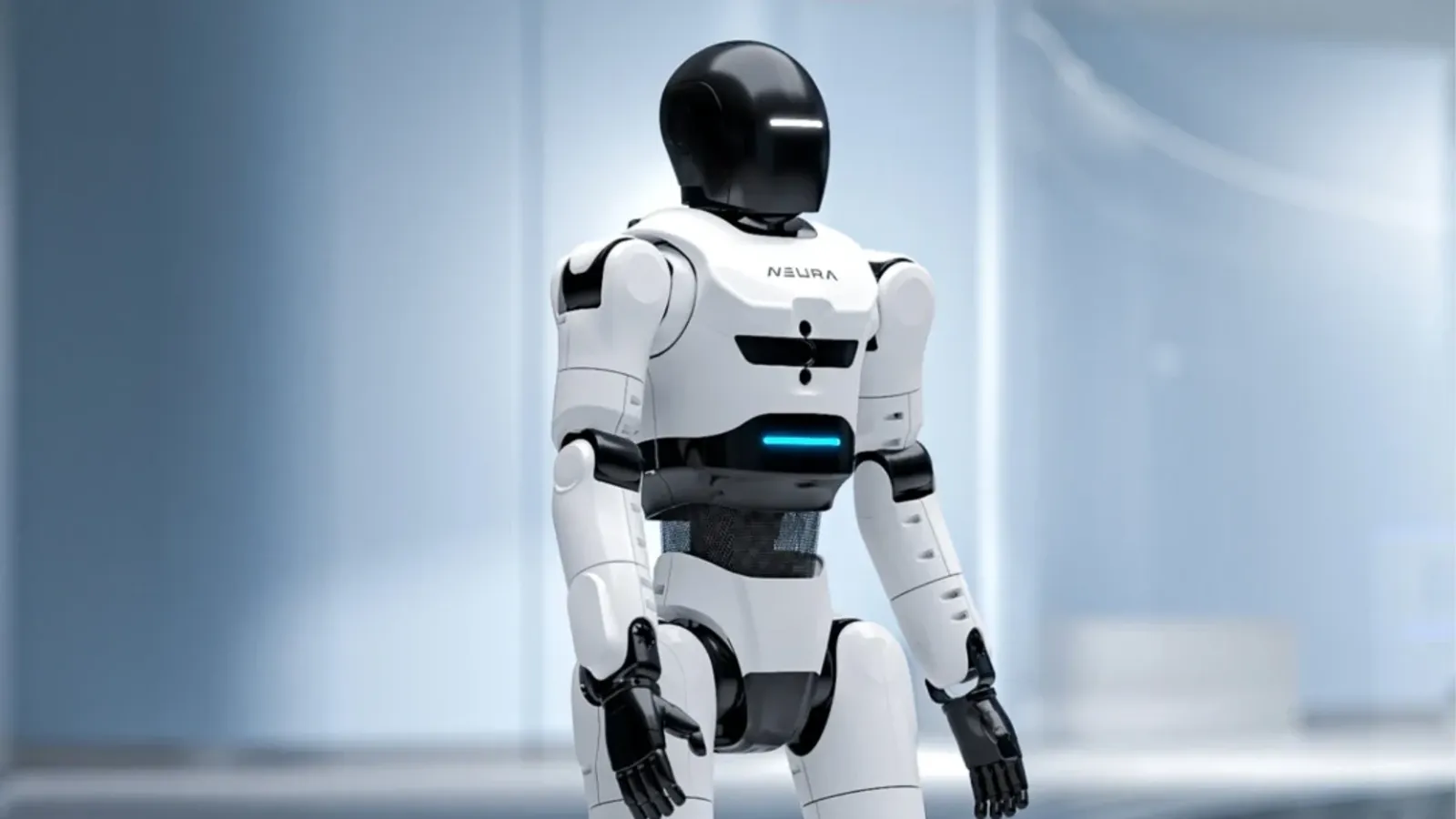
- NEURA 4NE1 Mini: teleoperation is a feature of the Pro version, aimed at developers and labs.
- Fourier GR-3: teleoperation is listed as an optional feature.
- Apptronik: uses teleoperation to collect training data for its Apollo robots, which work in industry rather than homes.
Who avoids it
Sunday trains Memo differently. Paid helpers wear a Skill Capture Glove while doing chores in their own homes, and that recorded movement data teaches the robot. Sunday says Memo does not need remote human operators in your home to learn tasks. This has not been independently verified, but it is a clear public promise.
Is teleoperation cheating?
No, but it should be disclosed. A teleoperated demo shows what the hardware can do with a skilled human in charge. It does not show what the robot's AI can do on its own. When a company shows a video without saying whether it was teleoperated, I treat it as unknown.
For a buyer, the real question is the ratio. If a robot does 95% of its work alone and needs help occasionally, remote help is a safety net. If it needs a human for most tasks, you are paying for a remote-controlled robot plus someone else's time.
Questions to ask a maker
- What share of tasks does the robot finish without a human?
- Is remote help included in the price, or does it cost extra?
- Do I have to approve each session, and can I see when someone is connected?
- Are remote sessions recorded and used to train the AI?
- Where are the operators based?
Can you live with a remote operator?
Teleoperation is how the first home robots bridge the gap between what their AI can do and what buyers expect. 1X NEO and Weave Isaac 1 both use it openly, which is better than hiding it. The cost is privacy and some uncertainty about how capable the robot really is on its own. Until makers publish how often a human steps in, judge home robots by what they do without help. Read home robot privacy and cameras for the privacy side.