How much can a humanoid robot lift and carry?
Published payload figures for humanoid and home robots, from 1.5 kg per arm to 25 kg carried, what the numbers mean and why lifting is still a weak spot for home robots.

On this page
A humanoid robot that can fold a towel but cannot carry a full laundry basket is less useful than it looks. Lifting is one of the questions buyers ask about most, and one of the specs makers publish least clearly. Some give a figure per arm, some for both arms, some for carrying and some for a one-off lift.
Below are the figures the makers have published, grouped so you can compare like with like.
Key facts
- Highest published figure for a home humanoid: 1X NEO, carries 25 kg and lifts 70 kg
- Figure 03: 20 kg payload
- Many developer and service robots: 2 to 5 kg per arm
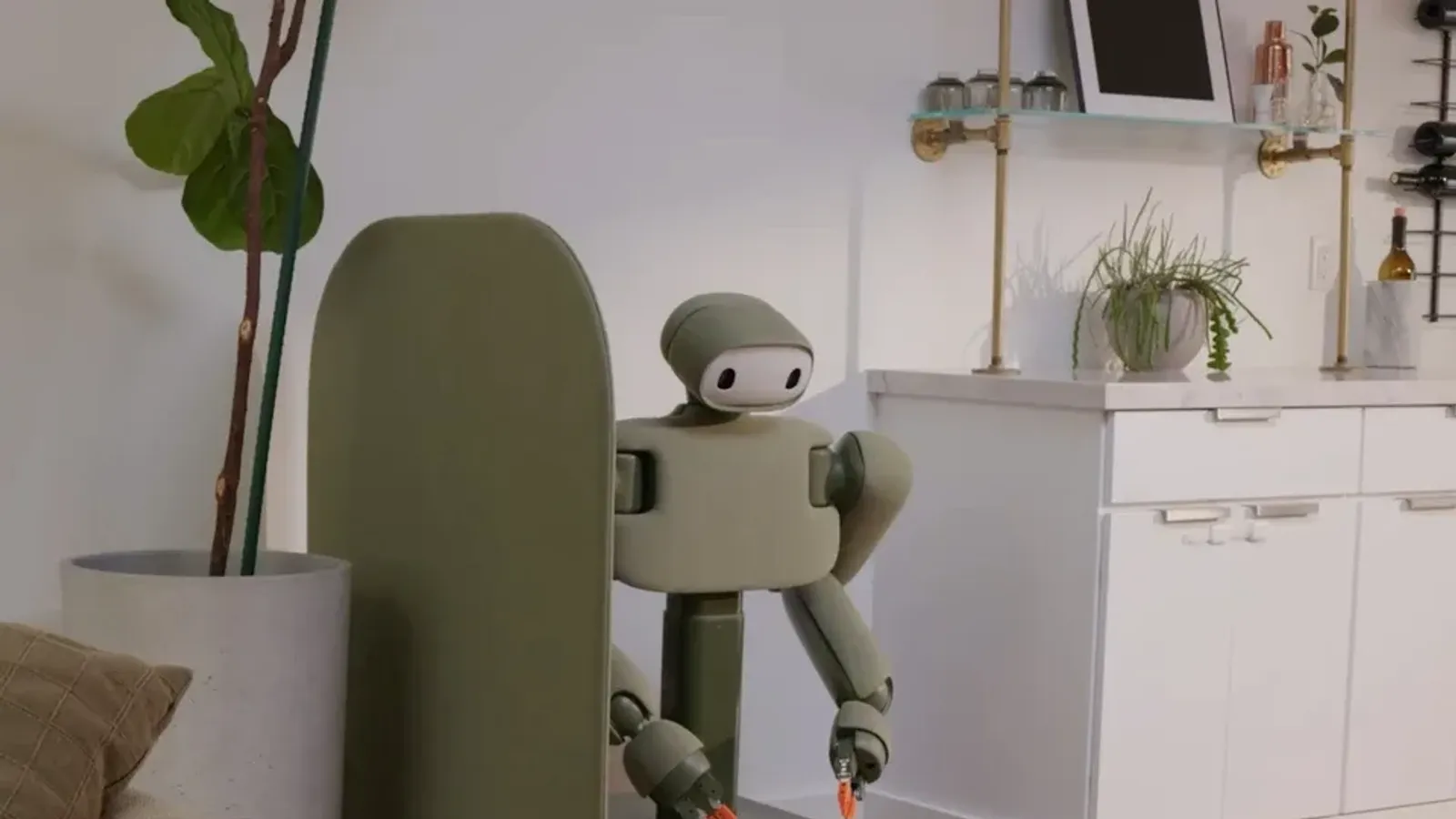
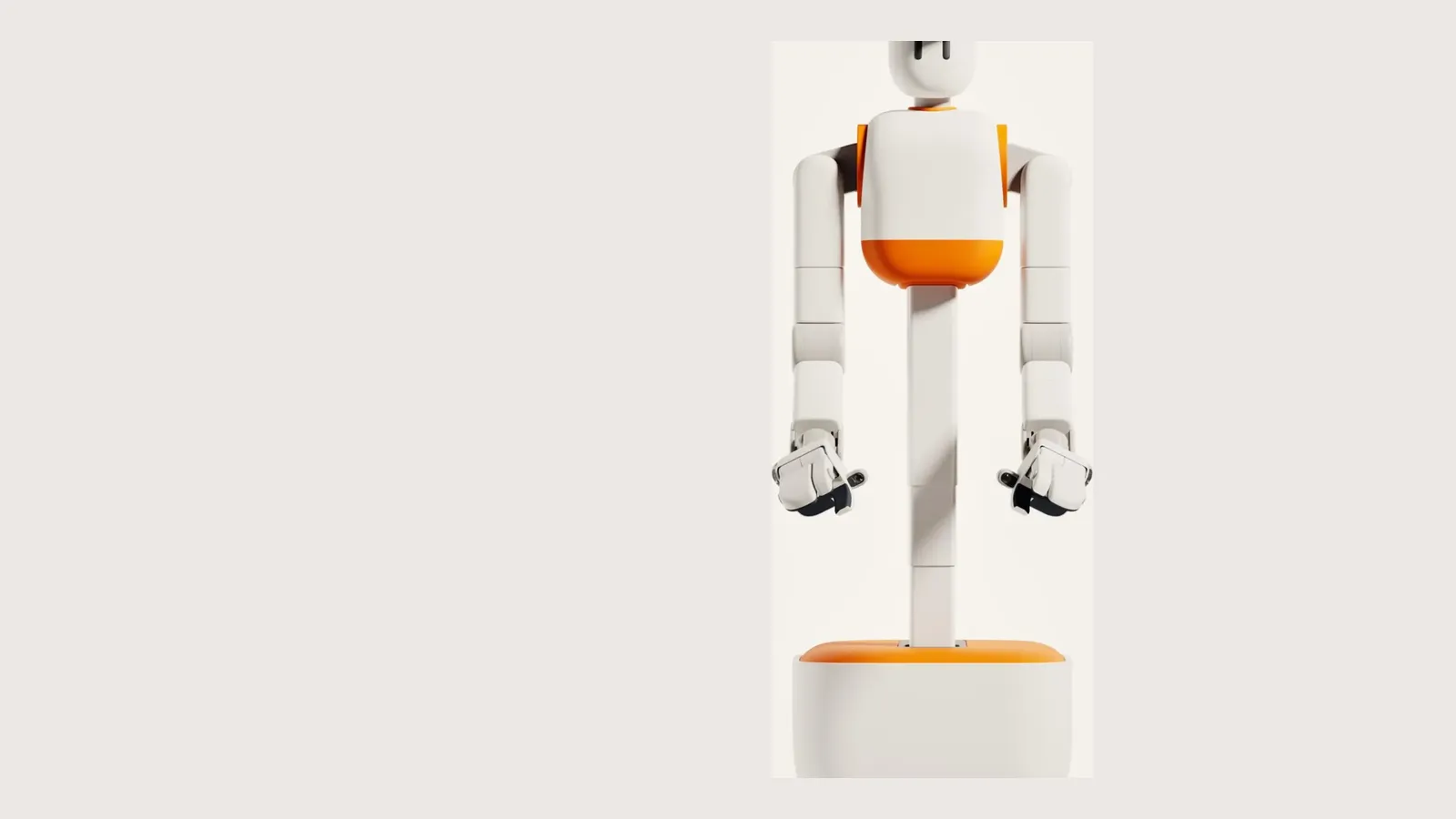
- Nori A3: 1.5 kg per arm, enough for cups and clothes but not heavy items
- Many robots, including Isaac 1 and Memo, have no published payload figure
What "payload" means
Robot makers use a few different terms, and they are not interchangeable.
- Payload usually means the weight a robot can hold and move while working, often per arm.
- Carry means walking or driving while holding something.
- Lift can mean a short, one-off lift, which can be much higher than what the robot can carry around.
A robot rated for 3 kg per arm will not necessarily manage 6 kg with two arms, because balance, grip and joint strength all play a part. Always check whether a figure is per arm or total.
Home robots
| Robot | Published figure | Type |
|---|---|---|
| 1X NEO | Carries 25 kg, lifts 70 kg | Walking humanoid |
| Figure 03 | 20 kg payload | Walking humanoid |
| Kinetix AI KAI | About 20 kg payload | Walking humanoid (announced) |
| UniX AI Panther | About 12 kg (reported) | Wheeled, two arms |
| Nori A3 | 1.5 kg per arm | Wheeled, two arms |
NEO's numbers stand out, especially for a robot that weighs only 29.9 kg. 1X lists 55 lb (25 kg) for carrying and 154 lb (70 kg) for lifting. No independent test has checked these figures.
Nori A3's lift column is rated for 55 kg, according to Interesting Engineering, but that is the force that raises its own body and arms, not what the hands can hold.
Developer, education and service robots
| Robot | Published figure |
|---|---|
| Booster T2 | Up to 10 kg with two arms |
| Galbot G1 | 5 kg per arm, 10 kg total |
| Noetix E1 | Up to 5 kg |
| Fourier GR-3 | About 3 kg per arm |
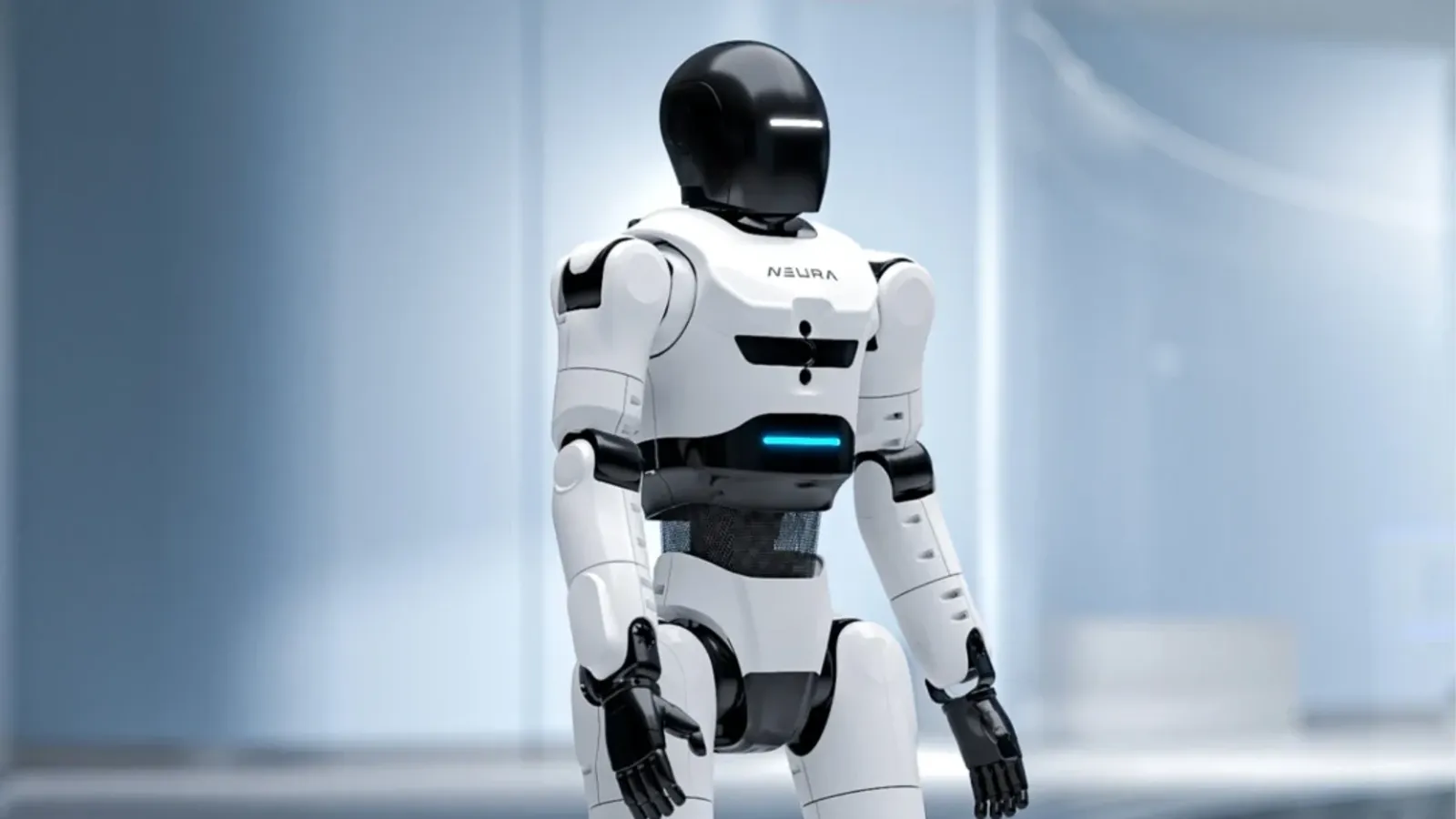
| NEURA 4NE1 Mini | 3 kg |
| MagicBot Z1 | 2 kg per arm (Standard), 3 kg (Developer) |
These robots are built to handle light objects, such as boxes on a shelf in a shop or tools in a lab. Galbot's G1, which works in Chinese pharmacies and warehouses, shows how far a light payload can go when the task fits it.
What these numbers mean at home
Some household weights for reference.
- A mug of coffee: about 0.4 kg
- A folded stack of towels: 2 to 3 kg
- A full laundry basket: roughly 5 to 8 kg
- A full shopping bag: roughly 5 to 10 kg
- A watering can: up to 10 kg
With 1.5 to 3 kg per arm, a robot can handle clothes, dishes and toys, which covers most tidying and laundry folding. Carrying baskets, groceries or anything heavy needs the 10 to 25 kg range, which only a few robots claim.
Why lifting is hard for robots
Lifting heavy things needs strong motors (actuators), which add weight and cost. A heavier robot is harder to make safe around people. Makers of home robots try to balance this. 1X built NEO light and soft, while still claiming high lift figures. Wheeled robots can be heavier and more stable, which helps when carrying.
Grip matters too. A robot can have strong arms and still drop a slippery pan if its hands cannot sense how hard they squeeze. Figure says Figure 03's fingertips can detect forces as small as 3 grams, which is about gentle handling, not lifting power.
What that means for chores at home
If you need help with heavy jobs, such as baskets, groceries or moving things between rooms, NEO is the only orderable home robot with a high published lift figure, and it is still unverified. Most other robots are built for light items, which suits tidying and folding but not carrying. Isaac 1 and Memo have no published payload, so ask before you buy. And no home robot should be used to lift people. For the glossary of terms like actuator and payload, see humanoid robot terms explained.