Unitree G1 vs Booster K1 vs Unitree R1, the affordable humanoids compared
The three most affordable walking humanoids you can actually buy, compared on price, size, battery, programming and warranty, and who each one is really for.

On this page
If you want to own a walking humanoid robot today, without waiting for a preorder, these three are where most people end up. They are real, shipping products from two Chinese makers, Unitree and Booster Robotics, with prices in the thousands rather than tens of thousands.
They are also not household helpers. All three are platforms for learning, coding, demos and play. With that settled, here is how they compare.
Key facts
- Unitree R1: from $4,900, 1.23 m, about 1 hour of battery
- Booster K1: launched at $5,999, about 95 cm, 20 minutes to 1 h 10 min of walking depending on edition
- Unitree G1: from $13,500, 1.32 m, about 2 hours of battery
- Programming: on Unitree, only the EDU versions; on Booster K1, Python and C++ SDKs are provided
- None of the three does household chores out of the box
Side by side
| Unitree R1 | Booster K1 | Unitree G1 | |
|---|---|---|---|
| Price | $4,900 (Air), $5,900, $10,500 (EDU) | $5,999 at launch (Geek), quote on request now | $13,500, $21,500 (Pro), EDU on request |
| Height | 1.23 m | About 95 cm | 1.32 m |
| Weight | About 27 to 29 kg | About 19.5 kg | About 35 kg |
| Degrees of freedom | 20 (Air), 26, 26 to 40 (EDU) | 22 | 23, EDU 23 to 43 |
| Battery | About 1 h, swappable | About 20 min (Geek) or 1 h 10 min (Edu/Pro) walking | About 2 h, quick-release |
| Warranty | 6 to 12 months by version | 3 months on Geek edition | 8 months, EDU 18 months |
| Owner programming | EDU only | SDKs for Python and C++ | EDU only |
| Where to buy | Unitree store, resellers | Booster quote, EU resellers | Unitree store, resellers |
Prices from Unitree's store and Booster, checked on 17 November 2026. Unitree adds $300 to $1,200 for shipping, and the buyer pays import duties and taxes.
Unitree R1, the cheapest way in
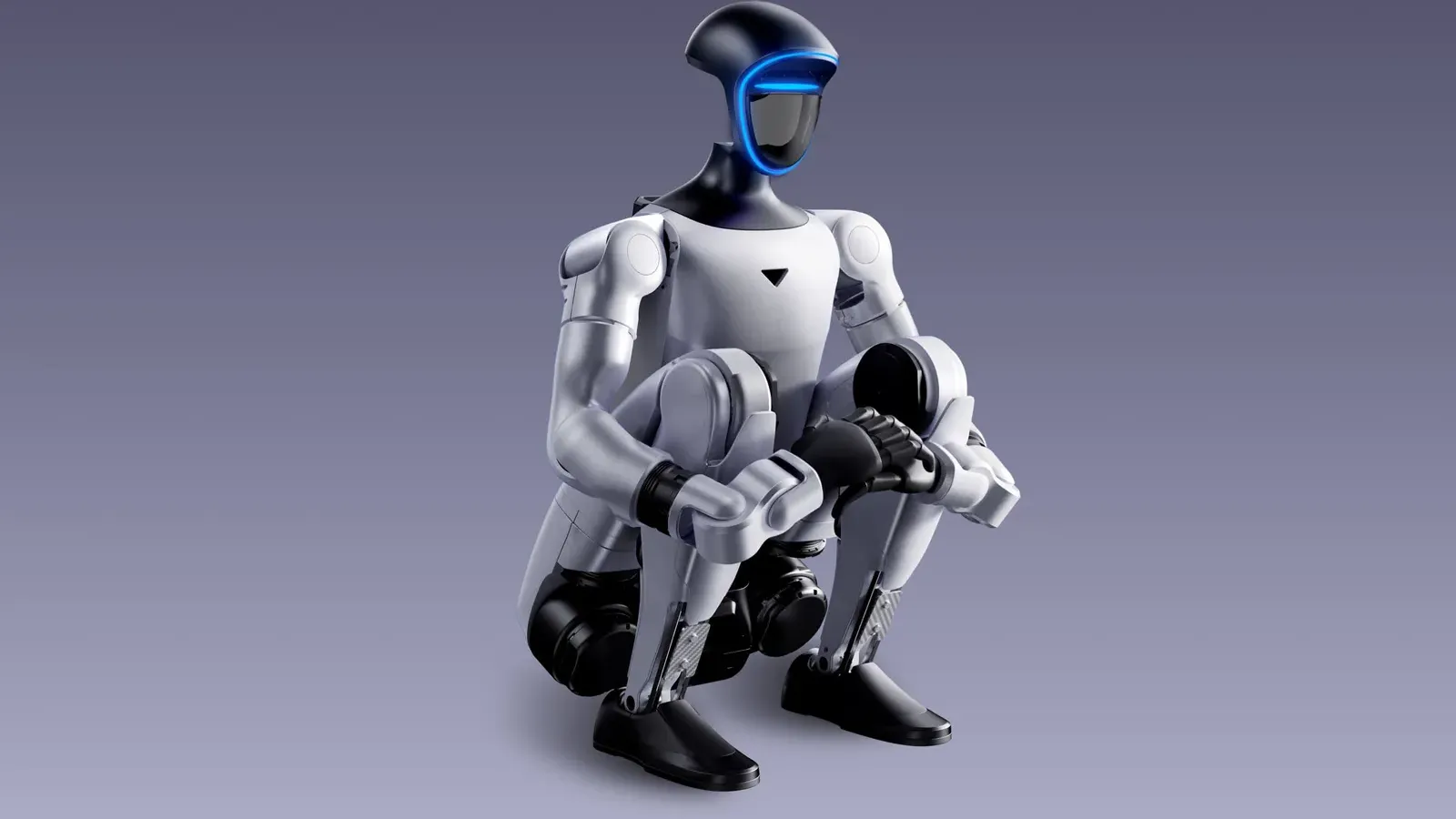
R1 is the lowest-priced walking humanoid on a major maker's own store. It is small, quick and agile, and Unitree's videos show cartwheels and kicks. It has cameras and a microphone array for voice and image recognition.
The weak points are battery life, about an hour, and the fact that the cheaper versions cannot be programmed by the owner. If you want to write your own code, you need the $10,500 R1 EDU, which costs more than twice the R1 Air.
Best for: someone who wants a real humanoid for demos and fun at the lowest price.
Booster K1, the classroom and soccer robot
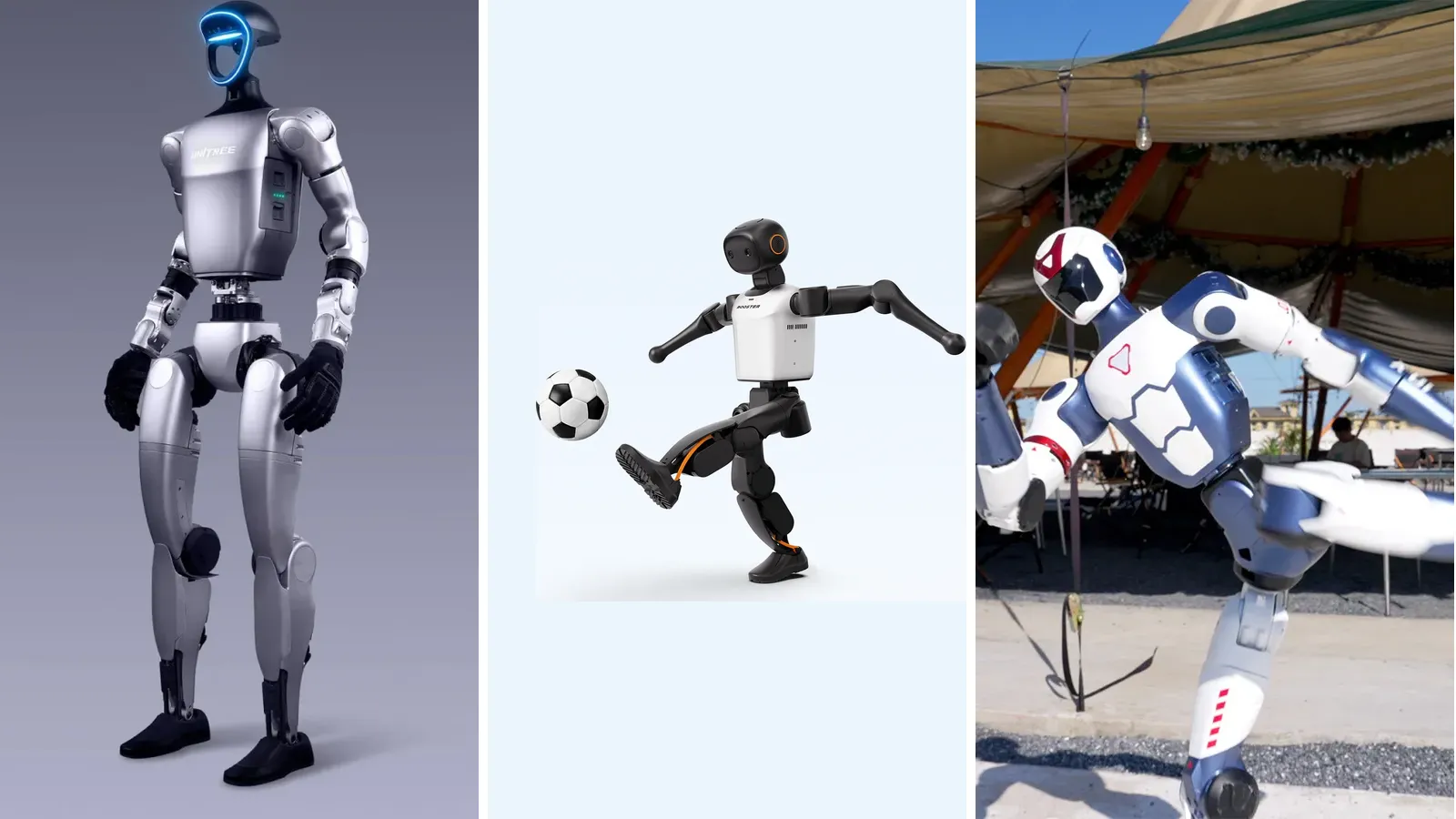
K1 is the smallest and lightest of the three, at about 95 cm and 19.5 kg, which makes it easy to carry and less intimidating in a classroom. It is used a lot in RoboCup soccer. It comes with built-in modes for chat, soccer and dance, voice commands in Chinese and English, and Python and C++ SDKs plus simulation tools.
The catch is the battery on the cheapest Geek edition, about 20 minutes of walking. The Education and Professional editions have a bigger battery and more computing power. Booster's own store now asks for a quote, but European buyers can order through resellers. Génération Robots in France lists it from €7,500 excluding VAT with a 3 to 4 week delivery time.
Best for: schools, robotics clubs and developers who want an open, compact platform with a clear programming route.
Unitree G1, the step up
G1 is the most capable of the three, with more joints, about two hours of battery and options for dexterous hands. It folds down for storage. It is also the most expensive, from $13,500, and like the R1 the standard version does not support owner programming. Unitree's store notes that the G1 is sometimes backordered.
Best for: labs, universities and serious hobbyists with a budget, who need longer runtime and more freedom of movement.
How I would choose
When I compare these three, the deciding questions are simple.
- Do you want to program it? If yes, budget for the R1 EDU or a G1 EDU, or look at the K1, which ships with SDKs.
- How long do you need it to run? Two hours on the G1 is a big difference from 20 minutes on the cheapest K1.
- Where do you live? In Europe, an EU reseller means VAT is included at checkout, no customs step, and EU consumer rights such as the two-year legal guarantee for private buyers.
- Who will be around it? Unitree advises buyers to keep a safe distance during use. These are fast, strong machines, not toys for small children.
What none of them will do
None of these robots will tidy your home, fold laundry or load a dishwasher on their own. They walk, balance, dance, play and run code. If chores are the goal, look at Weave Isaac 1 or 1X NEO instead, both US preorders.
Which one to pick
For the lowest price, the Unitree R1 at $4,900 is the entry point. For education and programming out of the box, the Booster K1 is the most practical, and easy to buy in the EU. For longer runtime and more capability, the Unitree G1 is the step up at $13,500. Whichever you pick, add shipping, VAT and a spare battery to the budget, and read the warranty, which is short on all three. Read what is a developer humanoid? before you order.