Wheeled vs walking home robots, which design makes more sense?
Many of the home robots closest to your living room roll on wheels instead of walking. The trade-offs in stairs, safety, battery, price and reach, with real examples.

On this page
The word "humanoid" makes most people picture a robot on two legs. Yet many of the robots closest to doing chores in real homes roll around on wheels with a human-like upper body. This is a deliberate choice, and it says a lot about where the technology is.
Key facts
- Wheeled home robots: Weave Isaac 1, Sunday Memo, LG CLOiD, SwitchBot Onero H1, Nori A3, UniX AI Panther
- Walking home robots: 1X NEO, Figure 03, Tesla Optimus
- Wheeled robots cannot climb stairs, so they work on one floor
- Wheeled robots tend to have longer battery life in the specs makers publish
- The cheapest chore robots on preorder are wheeled (Nori A3 at $1,688, Isaac 1 at $7,999)
Who uses which design
Wheeled, with two arms:
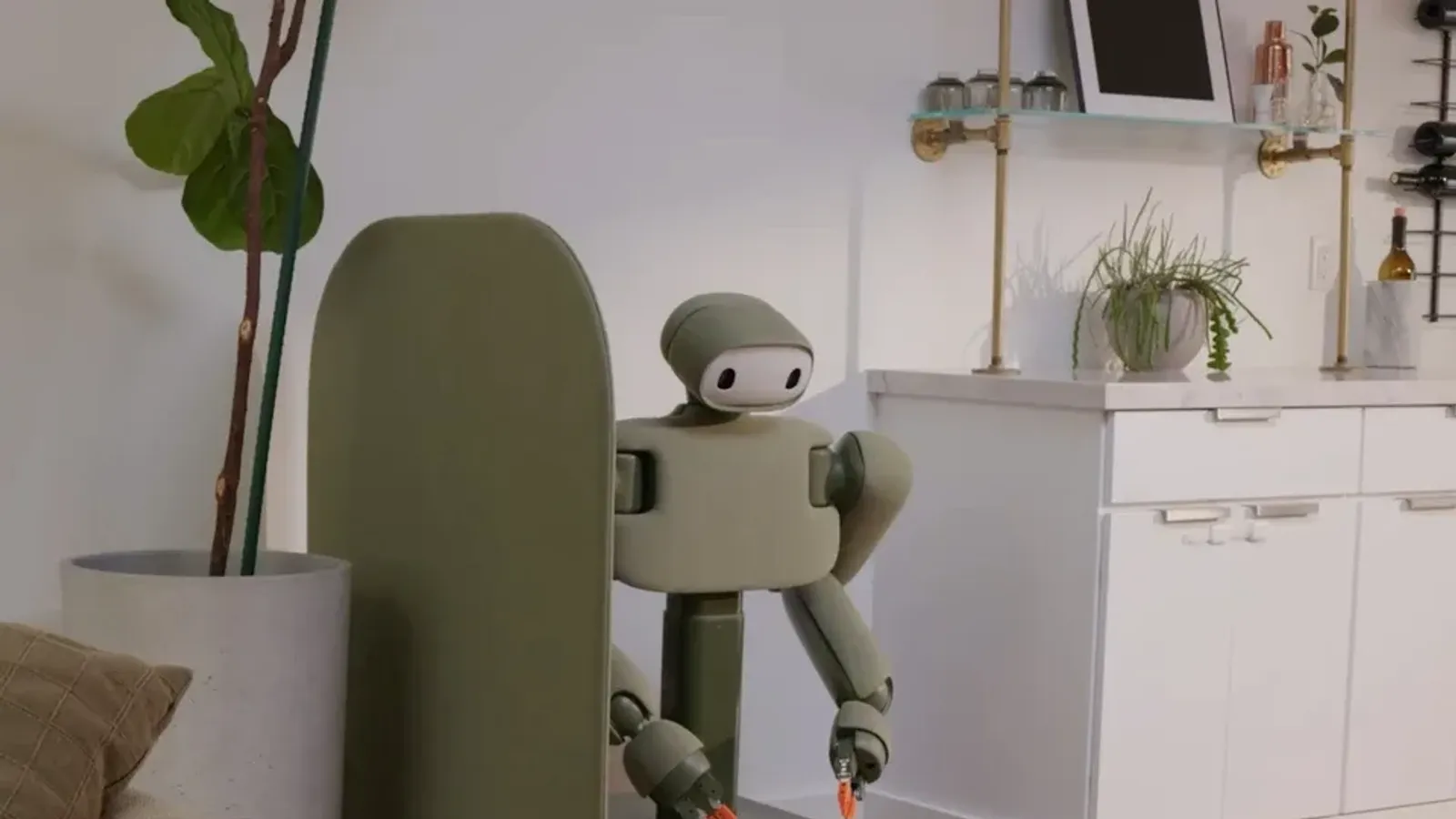
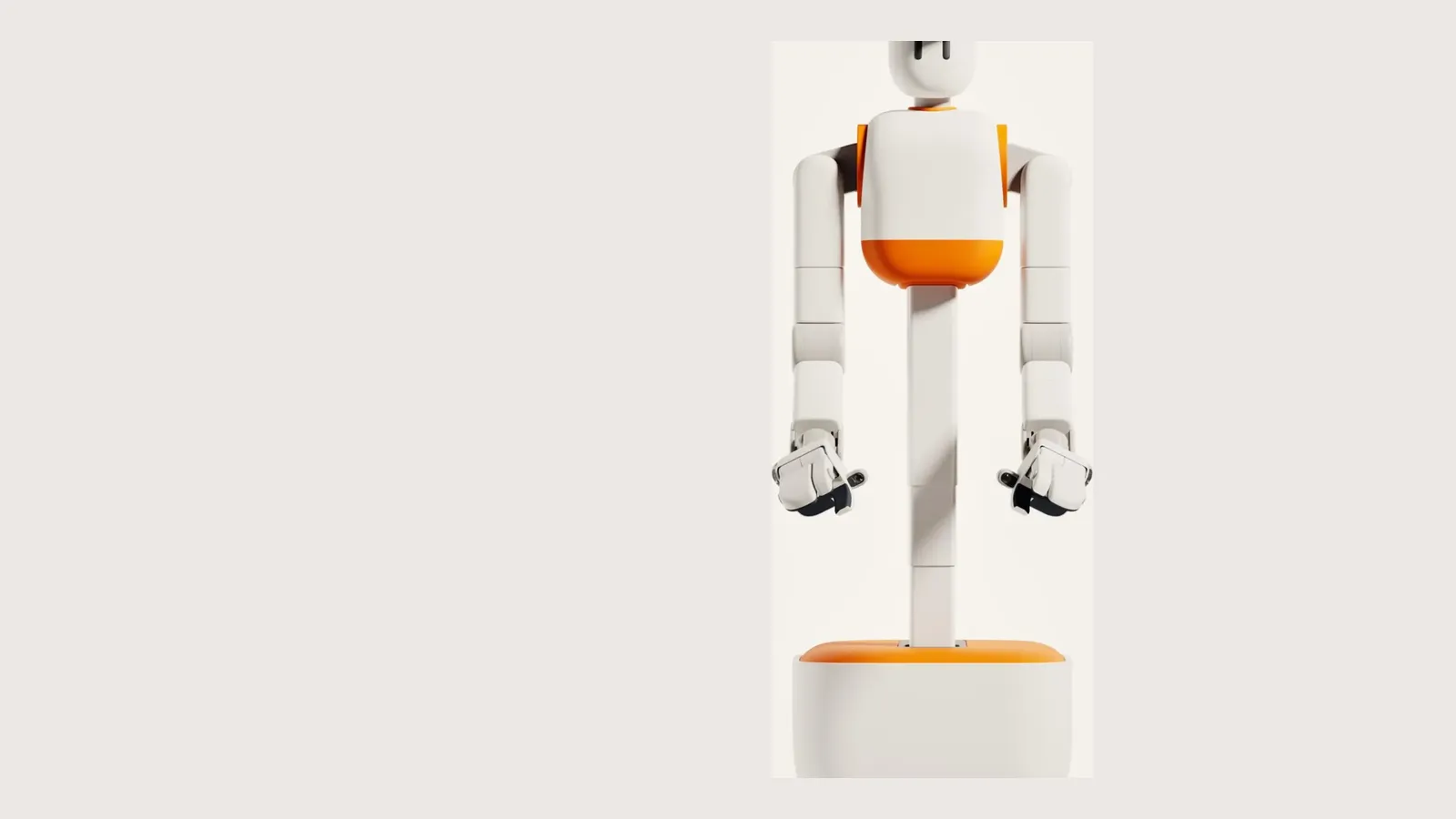
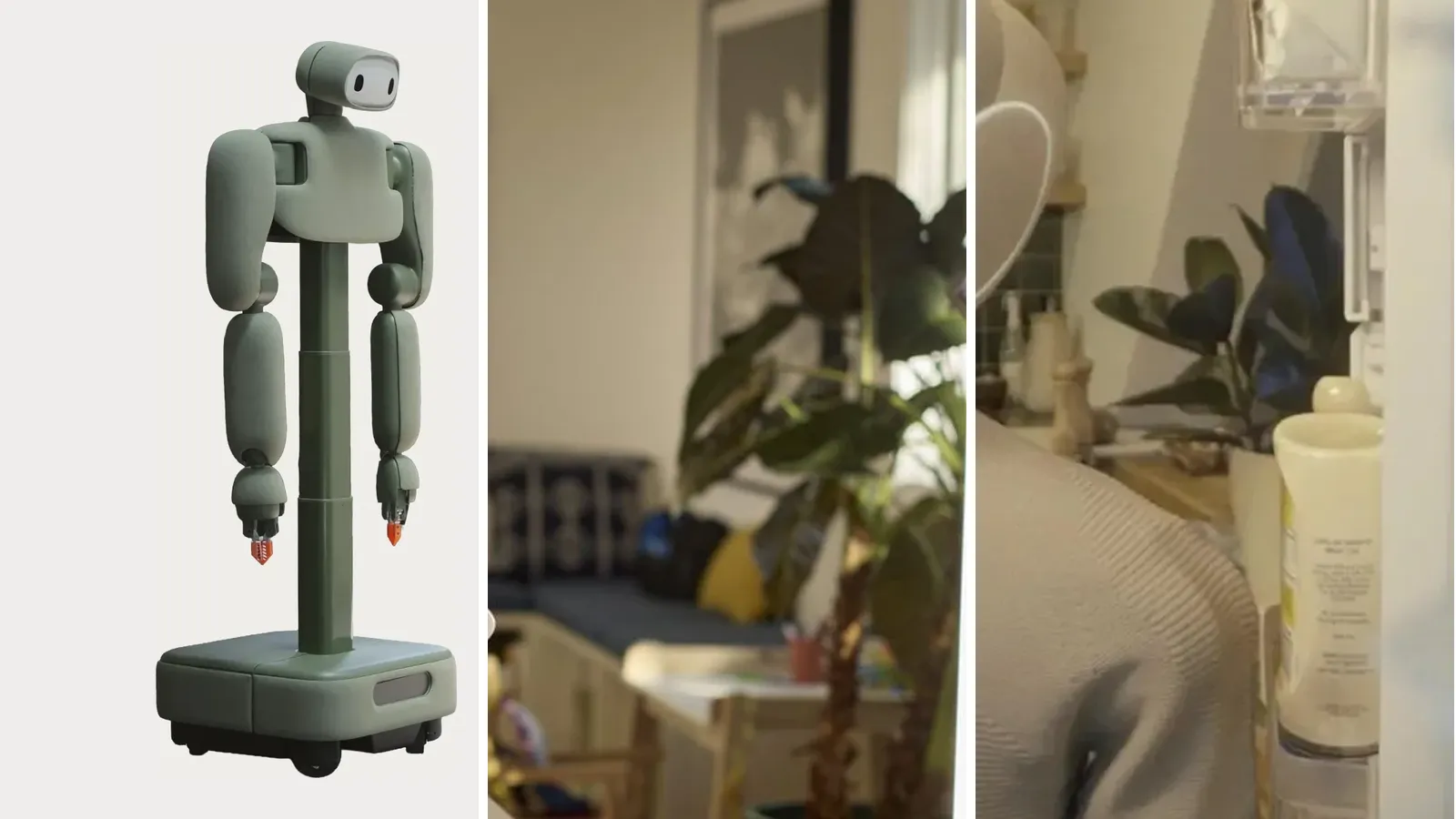
- Weave Isaac 1, on a passively stable wheeled base with a torso that rises from 3 ft to 5 ft 9 in
- Sunday Memo, with a height-adjustable torso and a top driving speed of 1 m/s
- LG CLOiD, built on LG's robot-vacuum navigation
- SwitchBot Onero H1, from a smart-home brand
- Nori A3, with a body that lifts the arms from floor to counter height
- UniX AI Panther, with a four-wheel steering base
Two legs:
- 1X NEO, on US preorder
- Figure 03, in factory work and home tests
- Tesla Optimus, in early production
Stairs and thresholds
This is the clearest advantage of legs. A walking robot can, in principle, go upstairs, step over a toy and handle a raised doorstep. A wheeled robot cannot climb stairs at all, and high thresholds or thick rugs can be a problem.
In practice, legs on stairs are still a work in progress. Walking robots climb stairs in some demos, but no maker of a home humanoid has published stair-climbing results from real homes. NEURA says stair climbing on its 4NE1 Mini is still under development. If you live in a house with several floors, a wheeled robot means one robot per floor or carrying it, and a walking robot means trusting a capability that has not been proven at home yet.
Stability and safety
Wheels win here. A robot on a wide, wheeled base does not have to balance, so it does not fall over if it loses power or gets bumped. LG says it chose wheels for CLOiD for stability, safety and cost, with a low centre of gravity so children or pets are less likely to tip it. Sunday says Memo stays stable if the power is cut.
A walking robot balances all the time. If it trips or loses power, it can fall. Makers of walking robots answer this with lighter, softer bodies. NEO weighs 29.9 kg and has a soft polymer cover, compared with about 77 kg for Memo.
Battery life
Balancing on two legs uses energy even when the robot stands still. Wheels and a stable base use less. The published figures show a pattern.
| Robot | Design | Battery |
|---|---|---|
| Isaac 1 | Wheeled | 8 h |
| Nori A3 | Wheeled | 6 to 8 h |
| Memo | Wheeled | About 4 h |
| Figure 03 | Walking | About 5 h |
| NEO | Walking | About 4 h |
| Unitree G1 | Walking | About 2 h |
Isaac 1 and Nori A3 lead, but Figure 03 shows a walking robot can do well too. Read how long does a humanoid robot battery last? for the full list.
Reach
Legs let a robot crouch to the floor and stand tall. Wheeled designs solve the same problem with a lifting torso. Isaac 1 reaches 80 inches vertically, and Memo reaches 2.1 m. For most household jobs, from a laundry basket on the floor to a high shelf, both approaches work.
Price
The cheapest chore robots on preorder are wheeled. Nori A3 costs $1,688 and Isaac 1 costs $7,999. The only walking home humanoid with a price, NEO, costs $20,000. Legs need more motors, more control software and more testing, and that shows up in the price.
Which design to bet on
For chores on one floor, a wheeled robot is the more practical choice today. It is more stable, runs longer on a charge and costs less. A walking robot like NEO makes more sense if you need a robot that can move between floors in the future, or you want the most general-purpose machine. But stair climbing in real homes is not yet proven by any maker. Count your stairs before you count the legs.